Senior Consultant & Interventional Cardiologist
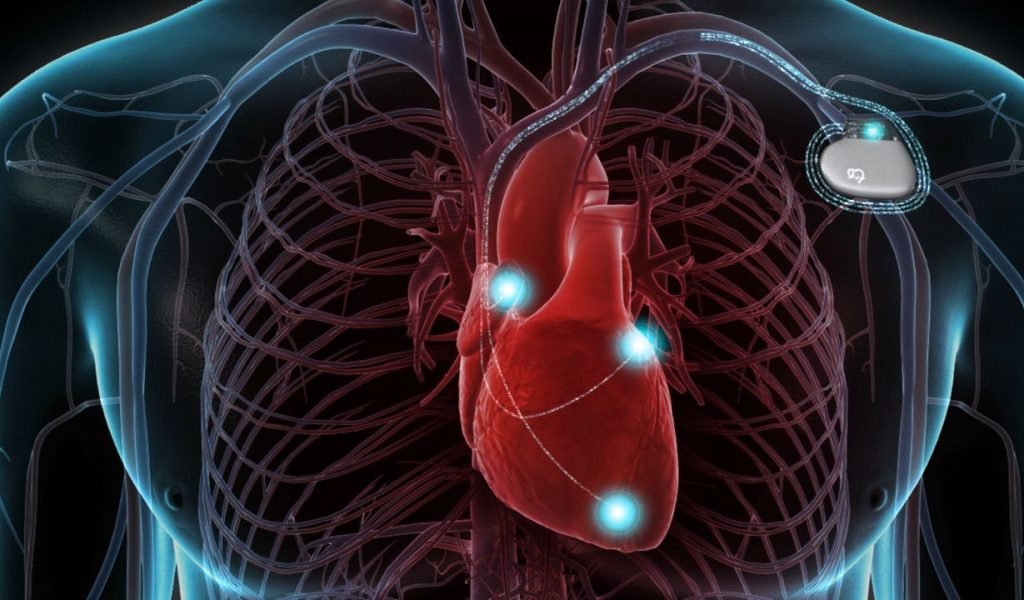
An Automated Implantable Cardioverter Defibrillator (AICD) is a small, life-saving device implanted under the skin to monitor and regulate abnormal heart rhythms that can lead to sudden cardiac arrest. It continuously tracks the heart’s electrical activity and delivers electrical impulses or controlled shocks when it detects dangerously fast or irregular heartbeats, restoring a normal rhythm within seconds. AICD implantation is recommended for individuals who are at high risk of life-threatening ventricular arrhythmias or those who have survived a previous episode of sudden cardiac arrest. The procedure has become a highly effective and reliable treatment that significantly improves long-term survival and quality of life in patients with serious heart rhythm disorders.
AICD implantation is advised when patients have conditions that increase the risk of dangerous ventricular arrhythmias. Common causes include coronary artery disease following a heart attack, heart failure with significantly reduced pumping function, dilated or hypertrophic cardiomyopathy, inherited electrical disorders such as Long QT Syndrome or Brugada Syndrome, arrhythmogenic right ventricular cardiomyopathy, and certain congenital heart diseases. Patients who have experienced sustained ventricular tachycardia, ventricular fibrillation, or unexplained fainting associated with abnormal heart rhythms may also require an AICD to prevent future life-threatening cardiac events.
Many patients who require an AICD may experience symptoms related to abnormal heart rhythms, although some remain symptom-free until a serious event occurs. Common warning signs include recurrent palpitations, dizziness, unexplained fainting or blackouts, episodes of rapid heartbeat, chest discomfort, breathlessness, fatigue, and sudden loss of consciousness. In severe cases, untreated ventricular arrhythmias can result in sudden cardiac arrest, making early evaluation and timely treatment essential.
A comprehensive cardiac evaluation helps determine whether AICD implantation is appropriate. The diagnostic process typically begins with a detailed medical history, assessment of symptoms, and physical examination. Investigations may include an electrocardiogram (ECG), Holter monitoring, event recorder studies, echocardiography to assess heart function, stress testing, cardiac MRI in selected patients, and electrophysiology studies when necessary. Blood tests and coronary angiography may also be recommended depending on the patient’s underlying heart condition. These investigations help identify the cause of abnormal heart rhythms and evaluate the overall risk of sudden cardiac death.
AICD implantation is performed using minimally invasive techniques under local anesthesia with sedation. During the procedure, one or more leads are guided through a vein into the heart and connected to the pulse generator, which is placed beneath the skin, usually below the collarbone. The device is programmed according to the patient’s specific cardiac condition and continuously monitors the heart rhythm after implantation. If a dangerous rhythm is detected, the AICD first attempts to restore normal rhythm using painless pacing therapies whenever possible. If required, it delivers a carefully controlled electrical shock to terminate life-threatening arrhythmias. In many patients, AICD therapy is combined with medications, lifestyle modifications, and treatment of the underlying heart disease to achieve the best long-term outcomes.
Recovery after AICD implantation is generally smooth, with most patients returning home within one or two days. Mild soreness around the implantation site usually resolves within a few days. Patients are advised to avoid lifting the affected arm above shoulder level or carrying heavy objects for several weeks to allow proper healing of the leads. Regular follow-up visits are essential to monitor device performance, battery status, and heart rhythm. Modern AICDs can also be monitored remotely in many cases, allowing continuous assessment without frequent hospital visits. Patients should continue prescribed medications, maintain a heart-healthy lifestyle, and follow medical advice regarding physical activity, travel, and use of electronic devices.
AICD implantation is considered a safe and well-established procedure, but like any medical intervention, it carries certain risks. Possible complications include bleeding, infection at the implantation site, bruising, lead displacement, blood vessel injury, pneumothorax, allergic reactions to medications, or device malfunction. In some cases, inappropriate shocks may occur due to non-dangerous rhythm disturbances, although modern devices are designed to minimize this possibility through advanced programming. Regular follow-up and timely device checks help identify and address potential issues early, ensuring optimal device function and patient safety.
Immediate medical evaluation is recommended if you experience recurrent fainting, unexplained palpitations, rapid heartbeat, severe dizziness, chest pain, breathlessness, or if your AICD delivers repeated shocks. Patients should also consult their cardiologist if they notice swelling, redness, pain, fever, or discharge around the implantation site, or if they experience persistent discomfort after the procedure. Individuals with a history of heart failure, previous cardiac arrest, inherited heart rhythm disorders, or significantly reduced heart function should undergo timely cardiac evaluation to determine whether AICD implantation can help reduce the risk of sudden cardiac death.
With extensive expertise in advanced cardiac rhythm management, Dr. Sagar Chandrashekhar Bhuyar provides comprehensive evaluation, personalized treatment planning, and expert AICD implantation using evidence-based techniques. Every patient receives individualized care focused on improving heart health, preventing life-threatening arrhythmias, and ensuring long-term safety and quality of life.
Patients choose Dr. Sagar Chandrashekhar Bhuyar as their Consultant Interventional Cardiologist in Secunderabad for his combination of over 20 years of hands-on interventional experience, board certification (MBBS, MD, DNB – Cardiology), international fellowships (FACC, FESC), and an academic role that keeps his practice aligned with current cardiology research.
From preventive cardiology and cardiac imaging to complex coronary interventions, Dr. Bhuyar provides comprehensive heart care tailored to each patient's needs. His expertise includes Angiography, Angioplasty (PCI), Pacemaker Implantation, Peripheral Interventions, Balloon Valvoplasty, and Echocardiography.
Copyright © 2026 Dr. Sagar Chandrashekhar Bhuyar. All Rights Reserved.
WhatsApp us