Introduction
High blood pressure, medically known as hypertension, is one of the most common cardiovascular conditions affecting millions of people worldwide. Often referred to as the “silent killer,” hypertension usually develops without noticeable symptoms but can silently damage the heart, brain, kidneys, and blood vessels over time. If left untreated, it significantly increases the risk of heart attack, stroke, heart failure, and kidney disease.
As an Associate Professor & Senior Interventional Cardiologist, I strongly believe that early diagnosis, regular blood pressure monitoring, and timely treatment are the keys to preventing life-threatening complications. With the right lifestyle changes and appropriate medical care, hypertension can be effectively controlled, allowing patients to lead healthy and active lives.
What is High Blood Pressure (Hypertension)?
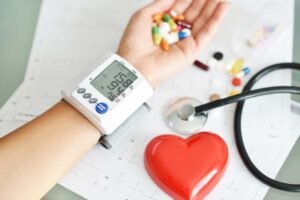
Blood pressure is the force exerted by circulating blood against the walls of your arteries. It is measured using two numbers:
- Systolic Pressure: Pressure when the heart contracts.
- Diastolic Pressure: Pressure when the heart relaxes between beats.
A normal blood pressure reading is generally around 120/80 mmHg. Hypertension is diagnosed when blood pressure consistently remains 140/90 mmHg or higher, although treatment recommendations may vary depending on age, overall health, and associated medical conditions.
Persistent high blood pressure forces the heart to work harder, leading to gradual damage to vital organs if left unmanaged.
Causes of High Blood Pressure
Hypertension may develop due to a combination of genetic, lifestyle, and medical factors. In many individuals, no single cause can be identified, a condition known as primary hypertension.
Common causes and risk factors include:
- Family history of hypertension
- Increasing age
- Obesity or overweight
- Excessive salt intake
- Sedentary lifestyle
- Smoking and tobacco use
- Excessive alcohol consumption
- Chronic stress
- Diabetes mellitus
- High cholesterol levels
- Chronic kidney disease
- Obstructive sleep apnea
- Hormonal disorders
- Certain medications such as steroids, painkillers, or oral contraceptives
Symptoms of High Blood Pressure
One of the biggest challenges with hypertension is that many people experience no symptoms, even when blood pressure reaches dangerously high levels.
When symptoms occur, they may include:
- Frequent headaches
- Dizziness
- Blurred vision
- Shortness of breath
- Chest discomfort
- Palpitations
- Fatigue
- Nosebleeds (occasionally)
- Difficulty concentrating
These symptoms often appear only after significant elevation in blood pressure or when complications develop.
Who is at Higher Risk?
Certain individuals have a greater likelihood of developing hypertension, including:
- Adults over 40 years of age
- Individuals with a family history of hypertension
- People with obesity
- Patients with diabetes
- Individuals with kidney disease
- Smokers
- People with high cholesterol
- Individuals with sedentary lifestyles
- Those experiencing prolonged stress
- Patients with sleep apnea
Regular screening is especially important for individuals with these risk factors.
Complications of Uncontrolled Hypertension
If hypertension remains untreated for years, it can damage multiple organs throughout the body.
Potential complications include:
- Heart attack
- Stroke
- Heart failure
- Coronary artery disease
- Kidney failure
- Vision loss due to retinal damage
- Peripheral artery disease
- Aortic aneurysm
- Cognitive decline and vascular dementia
Fortunately, maintaining good blood pressure control can significantly reduce these risks.
Diagnosis of High Blood Pressure
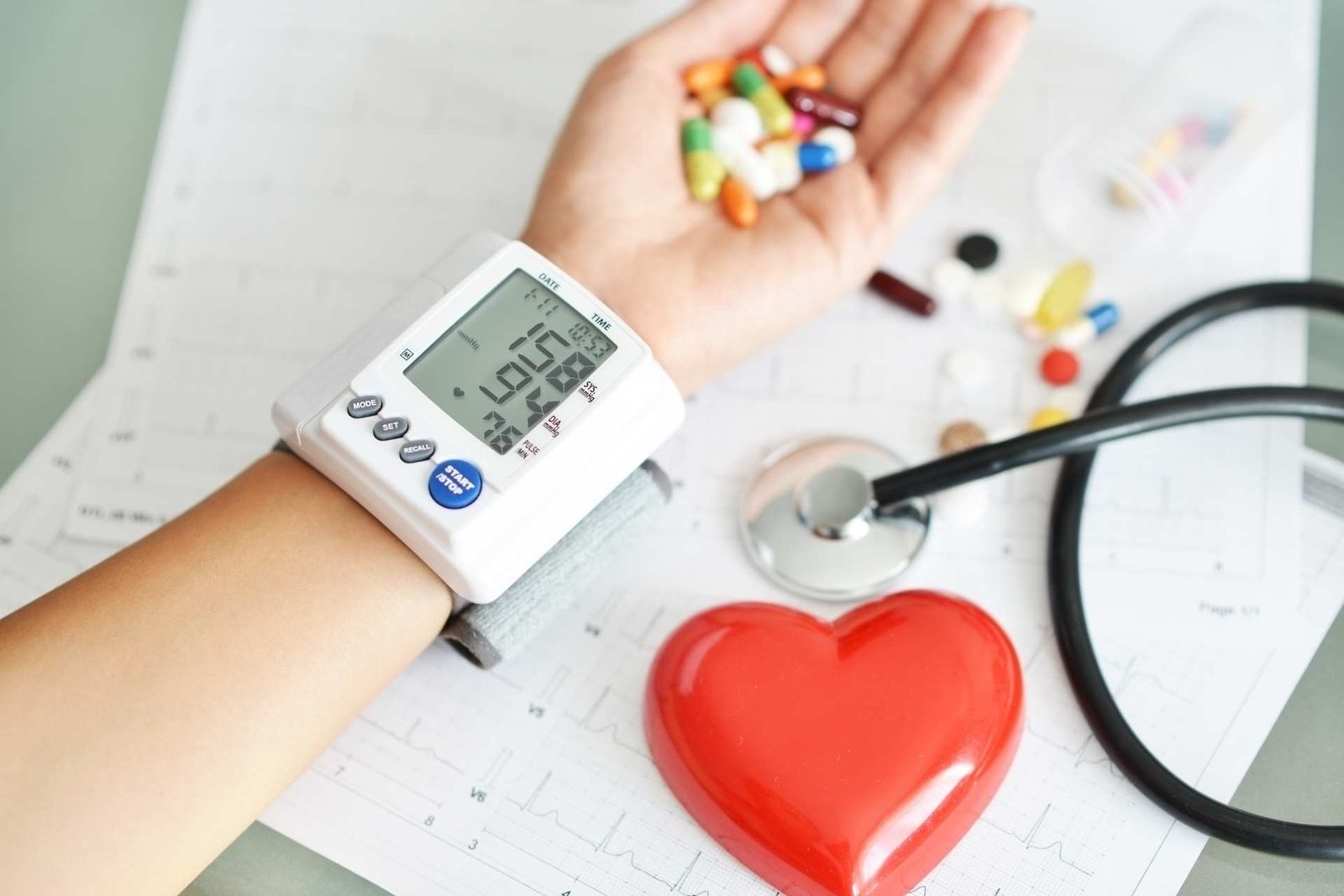
Diagnosis begins with accurate blood pressure measurement using a validated blood pressure monitor. Since blood pressure can fluctuate, multiple readings taken on different occasions are usually required.
Your cardiologist may also recommend:
- Detailed medical history
- Physical examination
- Blood tests
- Urine analysis
- Electrocardiogram (ECG)
- Echocardiography
- Kidney function tests
- Lipid profile
- Blood sugar testing
- 24-hour ambulatory blood pressure monitoring (ABPM) in selected patients
These investigations help identify the cause of hypertension and assess whether any organs have already been affected.
Effective Treatment for High Blood Pressure
Treatment focuses on reducing blood pressure to safe levels while minimizing the risk of cardiovascular complications.
Lifestyle Modifications
Healthy lifestyle habits are the foundation of hypertension management and include:
- Reducing salt intake
- Following a heart-healthy diet rich in fruits and vegetables
- Maintaining a healthy body weight
- Exercising regularly
- Quitting smoking
- Limiting alcohol intake
- Managing stress effectively
- Sleeping adequately
- Monitoring blood pressure at home
Even modest lifestyle improvements can produce significant reductions in blood pressure.
Medications
Many patients require medication in addition to lifestyle changes. Common antihypertensive medications include:
- ACE inhibitors
- Angiotensin receptor blockers (ARBs)
- Calcium channel blockers
- Diuretics
- Beta-blockers
- Other medications based on individual medical conditions
The choice of medication depends on the patient’s age, blood pressure level, kidney function, diabetes status, and overall cardiovascular risk.
It is important to take medications exactly as prescribed and never discontinue them without consulting your cardiologist.
When Should You Consult a Cardiologist?
Seek medical evaluation if you:
- Have consistently elevated blood pressure readings
- Experience chest pain
- Develop shortness of breath
- Notice severe headaches or vision changes
- Have diabetes or kidney disease with high blood pressure
- Have a family history of early heart disease
- Are pregnant with elevated blood pressure
- Have difficulty controlling blood pressure despite medications
Early specialist consultation helps prevent long-term complications and ensures personalized treatment.
Tips to Prevent High Blood Pressure
Although some risk factors cannot be changed, many cases of hypertension can be prevented through healthy habits.
Simple preventive measures include:
- Eat a balanced, low-salt diet.
- Exercise for at least 30 minutes most days of the week.
- Maintain a healthy weight.
- Avoid tobacco products.
- Limit alcohol consumption.
- Manage stress through relaxation techniques.
- Sleep for 7–8 hours every night.
- Undergo regular health check-ups.
- Monitor your blood pressure periodically, especially after the age of 40.
Why Choose an Experienced Interventional Cardiologist?
Hypertension management goes beyond simply prescribing medication. A comprehensive cardiovascular evaluation helps detect early heart damage, assess future cardiovascular risk, and prevent complications before they occur.
With expertise in preventive cardiology, advanced cardiac diagnostics, and interventional cardiology, patients receive individualized treatment plans tailored to their medical needs, ensuring optimal blood pressure control and long-term heart health.
Conclusion
High blood pressure is a serious yet highly manageable condition. Since it often develops without symptoms, routine blood pressure screening is essential for early detection. Timely diagnosis, healthy lifestyle changes, regular follow-up, and appropriate medications can dramatically reduce the risk of heart attack, stroke, kidney disease, and heart failure.
If you or a loved one has elevated blood pressure or is at risk for hypertension, consulting an experienced cardiologist can help ensure accurate diagnosis, effective treatment, and lifelong cardiovascular protection.