Introduction
A heart attack is one of the most serious medical emergencies and requires immediate treatment to prevent permanent damage to the heart muscle. Also known as a myocardial infarction, a heart attack occurs when the blood flow to a part of the heart is suddenly blocked, depriving the heart muscle of oxygen. Recognizing the warning signs early and seeking emergency medical care without delay can significantly improve survival rates and reduce complications.
As an Associate Professor and Senior Interventional Cardiologist, our commitment is to provide timely diagnosis, advanced cardiac interventions, and comprehensive heart care to ensure the best possible outcomes for every patient.
What Is a Heart Attack?
A heart attack occurs when one or more coronary arteries become blocked, usually due to the rupture of a cholesterol-rich plaque followed by the formation of a blood clot. This blockage prevents oxygen-rich blood from reaching the heart muscle. If blood flow is not restored quickly, the affected portion of the heart begins to die.
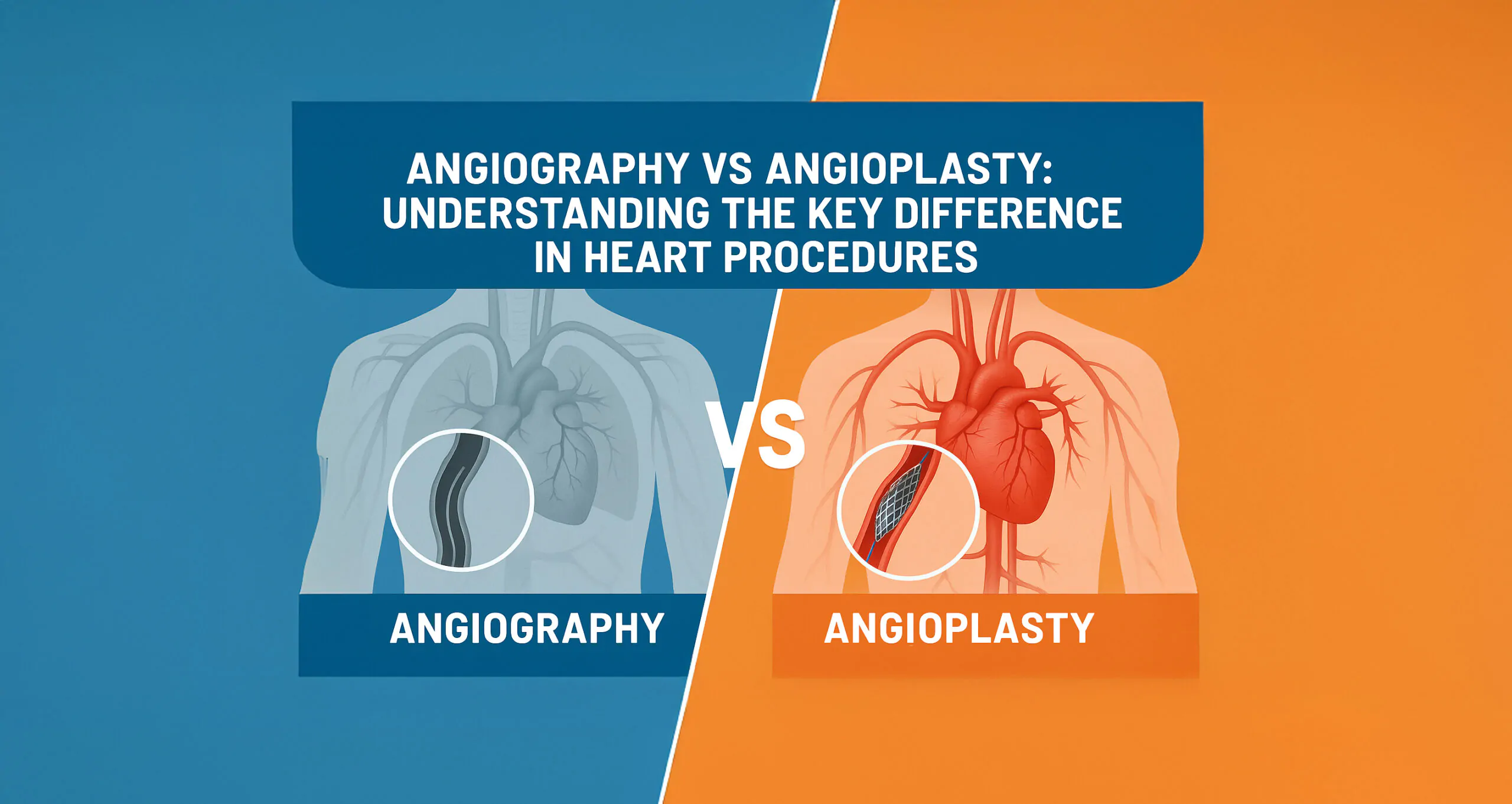
Modern interventional cardiology techniques such as emergency coronary angioplasty and stent placement can rapidly restore blood flow and minimize heart damage when performed promptly.
Common Symptoms of a Heart Attack
Heart attack symptoms may vary from person to person. While some individuals experience severe symptoms, others may have mild or atypical signs.
The most common symptoms include:
- Severe chest pain, pressure, tightness, or heaviness
- Pain spreading to the left arm, both arms, shoulders, neck, jaw, or back
- Shortness of breath
- Cold sweating
- Nausea or vomiting
- Dizziness or lightheadedness
- Extreme fatigue
- Sudden weakness
- Feeling of impending doom
Some patients, particularly women, elderly individuals, and people with diabetes, may experience symptoms without severe chest pain. Instead, they may notice unusual fatigue, breathlessness, indigestion, or discomfort in the upper abdomen.
Causes of a Heart Attack
Most heart attacks are caused by coronary artery disease, where fatty deposits (plaques) gradually build up inside the coronary arteries. When one of these plaques ruptures, a blood clot forms and blocks blood flow.
Other less common causes include:
- Coronary artery spasm
- Spontaneous coronary artery dissection (SCAD)
- Severe uncontrolled high blood pressure
- Blood clot disorders
- Cocaine or stimulant drug use
- Rare congenital abnormalities of the coronary arteries
Risk Factors
Several factors increase the likelihood of developing a heart attack.
These include:
- High blood pressure
- High cholesterol
- Diabetes
- Smoking or tobacco use
- Obesity
- Physical inactivity
- Unhealthy diet
- Chronic stress
- Excessive alcohol consumption
- Family history of heart disease
- Increasing age
- Chronic kidney disease
Many of these risk factors can be effectively controlled through lifestyle modifications and regular medical care.
Warning Signs That Require Emergency Care
Never ignore symptoms that may indicate a heart attack.
Seek emergency medical attention immediately if you experience:
- Chest pain lasting more than 10–15 minutes
- Chest discomfort associated with sweating
- Pain radiating to the arm, jaw, shoulder, or back
- Sudden difficulty breathing
- Loss of consciousness
- Severe dizziness
- Persistent nausea with chest discomfort
- Sudden unexplained weakness
Do not attempt to drive yourself if symptoms are severe. Calling emergency medical services ensures faster treatment and continuous monitoring during transport.
What Should You Do During a Suspected Heart Attack?
If you suspect that you or someone nearby is having a heart attack:
- Call emergency medical services immediately.
- Stay calm and avoid physical exertion.
- Sit or lie down in a comfortable position.
- Loosen tight clothing.
- If previously advised by your doctor and there are no contraindications, chew an aspirin while waiting for emergency help.
- Do not ignore symptoms or wait for them to disappear.
Every minute counts because early restoration of blood flow saves heart muscle.
How Is a Heart Attack Diagnosed?
Rapid diagnosis is essential for successful treatment.
Your cardiologist may recommend:
- Electrocardiogram (ECG)
- Blood tests for cardiac biomarkers such as Troponin
- Echocardiography
- Coronary Angiography
- CT Coronary Angiography in selected patients
- Cardiac MRI when indicated
Prompt diagnosis allows immediate planning of the most appropriate treatment strategy.
Treatment Options
Treatment depends on the severity of the blockage and the patient’s overall condition.
Modern treatment options include:
Emergency Coronary Angioplasty (Primary PCI)
Primary Percutaneous Coronary Intervention (PCI) is the preferred treatment for most acute heart attacks. During the procedure, a catheter is used to open the blocked artery, and a stent is placed to restore blood flow.
Medications
Treatment may include:
- Blood thinners
- Antiplatelet medications
- Statins
- Beta-blockers
- ACE inhibitors or ARBs
- Nitroglycerin
- Pain-relieving medications
Coronary Artery Bypass Grafting (CABG)
Some patients with multiple blocked arteries or complex coronary disease may require bypass surgery.
Recovery After a Heart Attack
Recovery involves more than treating the blocked artery. Long-term heart health depends on comprehensive cardiac rehabilitation and lifestyle modification.
Recovery recommendations include:
- Taking prescribed medications regularly
- Controlling blood pressure and diabetes
- Quitting smoking permanently
- Eating a heart-healthy diet
- Exercising under medical supervision
- Managing stress effectively
- Maintaining a healthy body weight
- Attending regular follow-up appointments
Cardiac rehabilitation programs help patients regain strength, improve heart function, and reduce the risk of future heart attacks.
Can Heart Attacks Be Prevented?
Although not every heart attack can be prevented, the risk can be significantly reduced through healthy habits and regular cardiovascular screening.
Preventive measures include:
- Eating a balanced, low-fat, high-fiber diet
- Exercising for at least 150 minutes per week
- Maintaining healthy cholesterol levels
- Keeping blood pressure under control
- Managing diabetes effectively
- Avoiding tobacco in all forms
- Limiting alcohol consumption
- Managing stress
- Getting regular cardiac evaluations, especially if you have risk factors or a family history of heart disease
Why Choose an Associate Professor & Senior Interventional Cardiologist?
Choosing an experienced interventional cardiologist ensures access to advanced diagnostic techniques, evidence-based treatment, and emergency cardiac interventions.
Patients benefit from:
- Expertise in complex coronary angioplasty and stenting
- Comprehensive heart attack management
- Advanced cardiac imaging and diagnostics
- Personalized treatment plans
- Preventive cardiology and long-term heart care
- Compassionate patient-centered care
- Focus on reducing future cardiovascular risk
Early intervention by an experienced heart specialist can make a life-saving difference.
Frequently Asked Questions (FAQs)
What is the first symptom of a heart attack?
Chest pain or pressure is the most common first symptom, although some people may experience shortness of breath, nausea, fatigue, or pain in the jaw, neck, or arms.
Can a heart attack occur without chest pain?
Yes. Women, older adults, and people with diabetes may experience atypical symptoms such as fatigue, indigestion, breathlessness, or upper back pain without significant chest pain.
How quickly should I seek medical help?
Seek emergency medical care immediately if you suspect a heart attack. Early treatment within the first few hours greatly improves survival and limits heart damage.
What causes a heart attack?
The most common cause is blockage of a coronary artery due to plaque rupture and blood clot formation, preventing oxygen-rich blood from reaching the heart muscle.
Can young adults have heart attacks?
Yes. Although more common in older adults, heart attacks can occur in younger individuals, particularly those with smoking habits, diabetes, obesity, high cholesterol, genetic predisposition, or unhealthy lifestyles.
What is the best treatment for a heart attack?
Primary angioplasty (Primary PCI) is considered the gold standard treatment for most acute heart attacks when performed promptly by an experienced interventional cardiologist.
How long does recovery take after a heart attack?
Recovery varies depending on the severity of the heart attack and the treatment received. Many patients return to normal activities within several weeks, while full recovery may take a few months with proper rehabilitation.
Can heart attacks be prevented?
Yes. Controlling blood pressure, cholesterol, diabetes, avoiding tobacco, maintaining a healthy weight, exercising regularly, eating a heart-healthy diet, and undergoing routine cardiac check-ups can significantly reduce the risk.
Conclusion
A heart attack is a life-threatening emergency that requires immediate medical attention. Recognizing the symptoms early, acting without delay, and receiving prompt treatment from an experienced Associate Professor and Senior Interventional Cardiologist can save lives and preserve heart function. Regular heart health screenings, effective risk factor management, and a healthy lifestyle remain the best strategies for preventing future cardiac events and maintaining long-term cardiovascular wellness.