Senior Consultant & Interventional Cardiologist
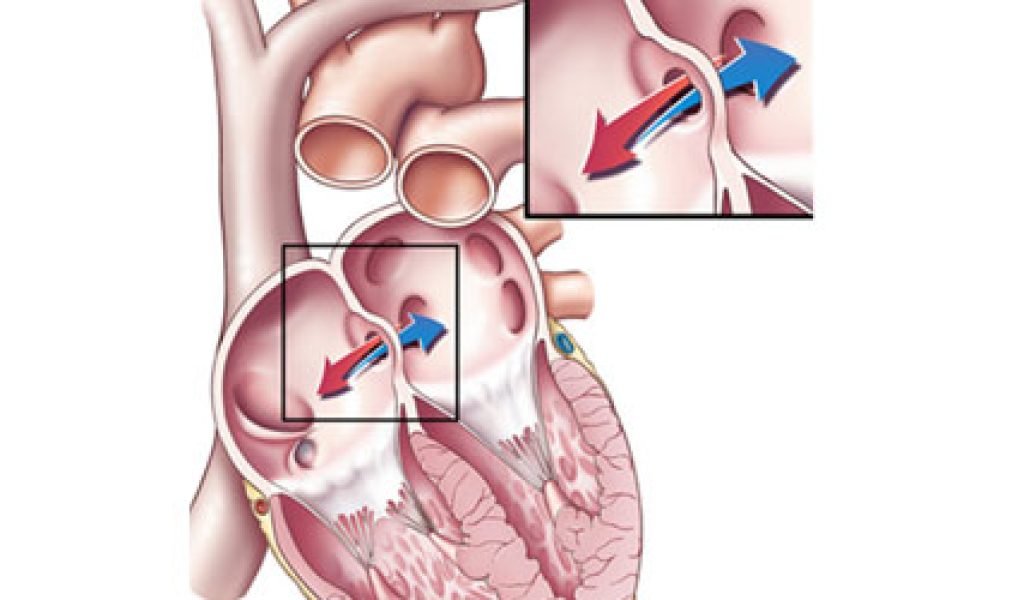
Atrial Septal Defect (ASD) is a congenital heart condition in which there is an abnormal opening in the wall (septum) that separates the two upper chambers of the heart (atria). This opening allows oxygen-rich blood from the left atrium to mix with oxygen-poor blood in the right atrium, causing increased blood flow to the lungs and placing extra strain on the heart over time. While small ASDs may remain symptom-free for many years, moderate to large defects can eventually lead to serious complications if left untreated.
ASD device closure is a minimally invasive, catheter-based procedure designed to close suitable atrial septal defects without the need for open-heart surgery. During the procedure, a specially designed closure device is delivered through a catheter inserted into a blood vessel, usually in the groin, and positioned across the defect to seal the opening permanently. This advanced treatment offers excellent long-term outcomes, shorter hospital stays, faster recovery, and minimal discomfort, making it the preferred treatment option for many eligible patients.
An atrial septal defect develops during fetal heart formation before birth. In most cases, the exact cause remains unknown. Genetic factors, certain inherited conditions, and environmental influences during pregnancy may contribute to abnormal development of the heart’s septum. Some babies born with congenital heart defects may have a family history of heart conditions, while others develop ASD without any identifiable risk factors.
Although ASD is present at birth, many individuals remain unaware of the condition until adolescence or adulthood, particularly if the defect is small. Larger defects are more likely to produce symptoms or be detected during routine medical examinations.
The symptoms of ASD vary depending on the size of the defect and the amount of blood flowing through it. Small defects often cause no noticeable symptoms and may only be discovered incidentally. Larger defects, however, can gradually produce symptoms as the heart and lungs experience increased workload.
Patients may experience shortness of breath during physical activity, easy fatigue, reduced exercise tolerance, frequent respiratory infections, heart palpitations, chest discomfort, or swelling in the legs and ankles. Some individuals may develop irregular heart rhythms or signs of heart failure later in life if the condition remains untreated. Children with significant ASDs may also show poor weight gain or delayed physical development.
Accurate diagnosis is essential to determine the size, location, and suitability of the defect for device closure. A detailed clinical evaluation begins with a physical examination, during which a characteristic heart murmur may be detected. Electrocardiography (ECG) helps assess the heart’s electrical activity, while a chest X-ray may reveal enlargement of the heart or increased blood flow to the lungs.
Echocardiography is the primary imaging investigation used to confirm the diagnosis, providing detailed information about the defect and its impact on heart function. In selected cases, Transesophageal Echocardiography (TEE), Cardiac CT, Cardiac MRI, or cardiac catheterization may be recommended to obtain additional anatomical details and guide treatment planning.
The choice of treatment depends on the size, location, and type of atrial septal defect, as well as the patient’s age, symptoms, and overall heart function. Small ASDs that do not affect heart function may simply require regular monitoring without immediate intervention.
For appropriately selected patients, ASD device closure is considered the preferred treatment. During this minimally invasive procedure, a catheter is advanced through a vein to the heart under imaging guidance. A specially designed closure device is carefully positioned across the defect, where it expands to seal the opening. Over the following months, the body’s natural tissue grows over the device, creating a permanent closure. Most patients experience excellent results with a low risk of complications and are able to return to their normal activities much sooner than after surgical repair.
In cases where the defect is very large, irregularly shaped, or unsuitable for device closure, surgical repair may be recommended to achieve complete correction.
Recovery following ASD device closure is generally quick and comfortable. Most patients remain in the hospital for observation for a short period and are discharged within one or two days. Mild soreness at the catheter insertion site is common and usually resolves within a few days.
Patients are advised to take prescribed medications as directed, including blood-thinning medications when indicated, to reduce the risk of clot formation while the device heals into place. Regular follow-up appointments and echocardiograms are essential to monitor device position and confirm successful closure. Most individuals can gradually resume normal daily activities within a short period, although strenuous exercise may be temporarily restricted based on the treating cardiologist’s advice.
Maintaining a heart-healthy lifestyle through regular physical activity, balanced nutrition, blood pressure control, and routine cardiac evaluations helps support long-term cardiovascular health after the procedure.
ASD device closure is considered a safe and highly effective procedure with an excellent success rate when performed by experienced interventional cardiologists. As with any cardiac intervention, there are potential risks, although serious complications are uncommon.
Possible complications include bleeding or bruising at the catheter insertion site, infection, allergic reactions to contrast material, irregular heart rhythms, device displacement, blood clot formation, or injury to nearby heart structures. Rarely, additional procedures or surgery may be required if the device cannot be positioned correctly or if complications develop. Careful patient selection, advanced imaging, and expert procedural techniques significantly reduce these risks.
Medical evaluation should be sought if you or your child experiences persistent shortness of breath, unexplained fatigue, rapid heartbeat, chest discomfort, recurrent respiratory infections, poor exercise tolerance, or swelling of the legs. Individuals with a known atrial septal defect should undergo regular cardiology follow-up to assess whether treatment is necessary.
Early diagnosis and timely ASD device closure can prevent long-term complications such as heart enlargement, pulmonary hypertension, arrhythmias, and heart failure. Consulting an experienced interventional cardiologist ensures an accurate diagnosis, personalized treatment plan, and the best possible long-term heart health.
Dr. Sagar Chandrashekhar Bhuyar commitment to clinical excellence, innovation, and compassionate treatment helps patients achieve better heart health and improved quality of life.
From preventive cardiology and cardiac imaging to complex coronary interventions, Dr. Bhuyar provides comprehensive heart care tailored to each patient's needs. His expertise includes Angiography, Angioplasty (PCI), Pacemaker Implantation, Peripheral Interventions, Balloon Valvoplasty, and Echocardiography.
Copyright © 2026 Dr. Sagar Chandrashekhar Bhuyar. All Rights Reserved.
WhatsApp us