Senior Consultant & Interventional Cardiologist
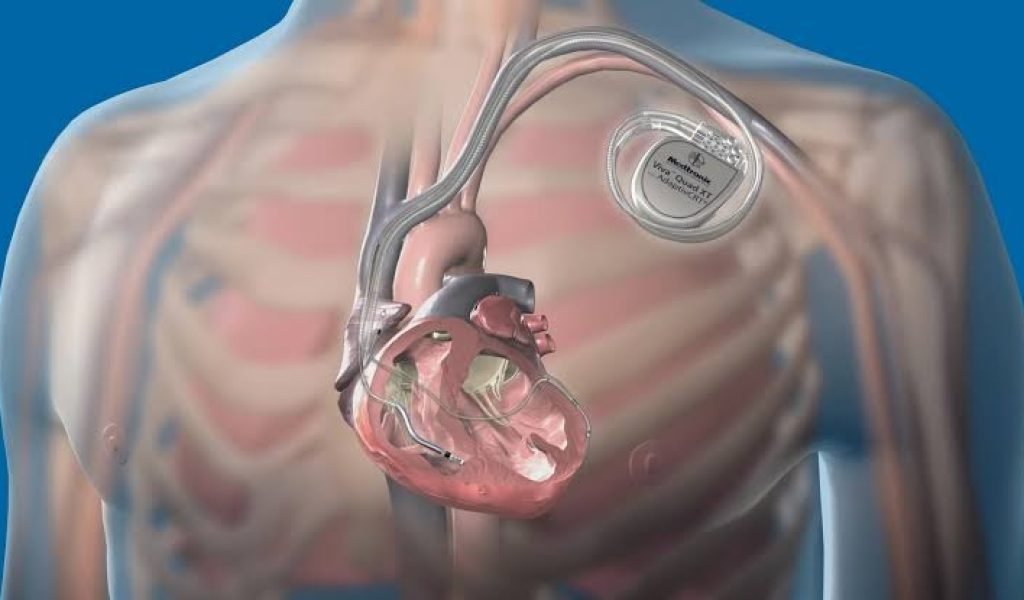
Cardiac Resynchronization Therapy (CRT) implantation is an advanced cardiac device procedure designed to improve the heart’s pumping efficiency in patients with certain types of heart failure. In many individuals with heart failure, the heart’s lower chambers (ventricles) do not beat in a coordinated manner, reducing the heart’s ability to circulate blood effectively. A CRT device, also known as a biventricular pacemaker or a CRT-defibrillator (CRT-D), delivers precisely timed electrical impulses to synchronize the contractions of both ventricles, helping the heart pump more efficiently.
CRT implantation is recommended for carefully selected patients who continue to experience symptoms despite receiving optimal medical therapy. By restoring coordinated heart function, this treatment can significantly improve quality of life, reduce symptoms, decrease hospitalizations, and, in many cases, enhance long-term survival. Dr. Sagar Chandrashekhar Bhuyar offers comprehensive evaluation and personalized treatment plans to determine whether CRT implantation is the most suitable option for each patient.
CRT implantation is primarily indicated for patients with advanced heart failure caused by conditions that impair the heart’s pumping function. Common causes include coronary artery disease, previous heart attacks, dilated cardiomyopathy, long-standing high blood pressure, and certain inherited heart muscle disorders. Some patients develop electrical conduction abnormalities, such as left bundle branch block (LBBB), which cause the ventricles to contract out of sync, further reducing the heart’s efficiency.
When these electrical disturbances are combined with reduced heart function and persistent symptoms despite medications, CRT implantation may provide significant clinical benefits by restoring coordinated ventricular contractions.
Patients who may benefit from CRT implantation often experience persistent symptoms of heart failure that interfere with daily life. These symptoms commonly include shortness of breath during physical activity or while lying down, excessive fatigue, reduced exercise tolerance, swelling in the legs, ankles, or feet, rapid weight gain due to fluid retention, persistent cough, irregular heartbeat, dizziness, and episodes of fainting. Many patients also notice that routine activities become increasingly difficult despite taking prescribed heart failure medications.
If these symptoms continue or worsen over time, further evaluation by a cardiologist is essential to determine whether CRT therapy is appropriate.
A thorough cardiac evaluation is necessary before recommending CRT implantation. The diagnostic process begins with a detailed medical history, physical examination, and assessment of the patient’s symptoms and current treatment. Electrocardiography (ECG) helps identify electrical conduction abnormalities such as bundle branch block, while echocardiography evaluates the heart’s pumping strength, chamber size, and overall function.
Additional investigations may include blood tests, chest X-rays, Holter monitoring, stress testing, cardiac MRI, or coronary angiography when indicated. These tests help determine the severity of heart failure, identify the underlying cause, and assess whether the patient meets the established criteria for CRT implantation.
CRT implantation is performed as a minimally invasive procedure under local anesthesia with sedation. During the procedure, specialized leads are carefully positioned within the heart through veins beneath the collarbone and connected to a small pulse generator implanted under the skin of the chest. The device continuously delivers synchronized electrical impulses that coordinate the contractions of both ventricles, improving overall cardiac performance.
Depending on the patient’s condition, a standard CRT pacemaker (CRT-P) or a CRT device with an implantable cardioverter-defibrillator (CRT-D) may be recommended. While CRT improves the heart’s mechanical function, it is usually combined with guideline-directed medical therapy, lifestyle modifications, and regular follow-up care to achieve the best possible outcomes.
Following CRT implantation, patients are monitored closely to ensure proper device function and recovery. Mild soreness or swelling around the implantation site is common and generally resolves within a few days. Patients are advised to keep the incision clean and dry, avoid heavy lifting and excessive arm movements on the affected side for several weeks, and attend scheduled follow-up appointments for device programming and performance checks.
Long-term care includes routine device monitoring, adherence to prescribed medications, heart-healthy dietary habits, regular physical activity as advised by the cardiologist, and management of underlying conditions such as hypertension, diabetes, and coronary artery disease. Regular follow-up helps optimize device settings and ensures continued improvement in heart function.
CRT implantation is considered a safe and well-established procedure when performed by experienced specialists. However, like any medical intervention, it carries certain risks. Potential complications may include bleeding, infection at the implantation site, bruising, lead displacement, damage to blood vessels, allergic reactions to medications or contrast agents, pneumothorax (collapsed lung), abnormal heart rhythms, or, rarely, device malfunction.
Most complications are uncommon and can be managed effectively with prompt medical attention. Careful patient selection, meticulous procedural techniques, and regular follow-up significantly reduce these risks and contribute to successful long-term outcomes.
Patients experiencing persistent or worsening symptoms of heart failure despite appropriate medications should seek evaluation from a cardiologist without delay. Increasing breathlessness, severe fatigue, swelling of the legs, unexplained weight gain, frequent dizziness, fainting episodes, or recurrent hospitalizations for heart failure may indicate the need for advanced therapies such as CRT implantation.
Patients who have already undergone CRT implantation should seek immediate medical attention if they develop fever, redness or discharge from the incision site, severe chest pain, difficulty breathing, fainting, persistent palpitations, or notice any signs that the device may not be functioning properly. Early assessment and timely intervention can help prevent complications and ensure the best possible long-term heart health.
Dr. Sagar Chandrashekhar Bhuyar commitment to clinical excellence, innovation, and compassionate treatment helps patients achieve better heart health and improved quality of life.
From preventive cardiology and cardiac imaging to complex coronary interventions, Dr. Bhuyar provides comprehensive heart care tailored to each patient's needs. His expertise includes Angiography, Angioplasty (PCI), Pacemaker Implantation, Peripheral Interventions, Balloon Valvoplasty, and Echocardiography.
Copyright © 2026 Dr. Sagar Chandrashekhar Bhuyar. All Rights Reserved.
WhatsApp us