Senior Consultant & Interventional Cardiologist
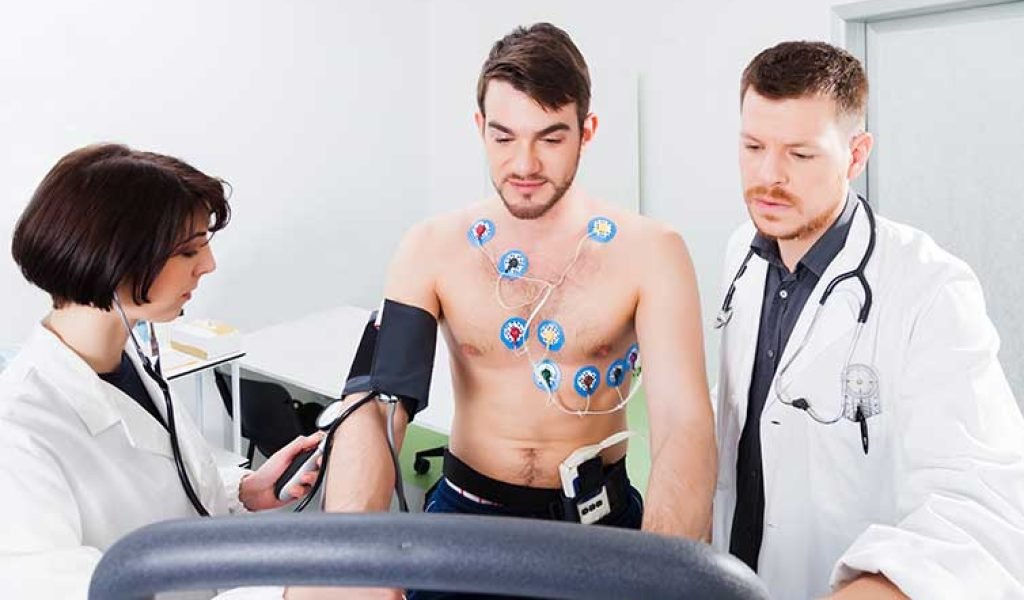
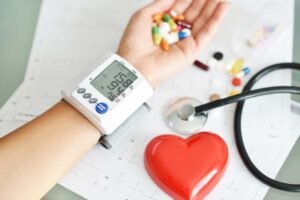
The Treadmill Test (TMT), also known as an Exercise Stress Test, is a non-invasive diagnostic procedure used to evaluate how well the heart functions during physical activity. As the body exerts itself, the heart requires more oxygen and blood supply. A TMT helps assess whether the heart is receiving adequate blood flow under stress and can detect abnormalities that may not be visible when the body is at rest. The test involves walking on a treadmill while your heart rate, blood pressure, breathing, and electrocardiogram (ECG) are continuously monitored.
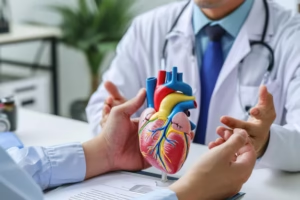
Dr. Sagar Chandrashekhar Bhuyar recommends a TMT for patients who have symptoms suggestive of heart disease, those with known cardiovascular conditions, or individuals at higher risk due to diabetes, hypertension, obesity, smoking, or a family history of heart disease. It is a safe, reliable, and widely used investigation that plays a crucial role in the early detection and management of coronary artery disease.
A Treadmill Test is commonly advised when there is a need to evaluate reduced blood flow to the heart muscles, known as coronary artery disease. It may also be recommended for patients experiencing unexplained chest discomfort, breathlessness during physical activity, irregular heartbeats, or reduced exercise tolerance. Individuals with multiple cardiovascular risk factors, such as high cholesterol, diabetes, hypertension, obesity, or a history of smoking, may undergo a TMT as part of a comprehensive cardiac assessment.
The test is also useful in evaluating the effectiveness of ongoing heart treatments, monitoring recovery after certain cardiac procedures, and determining whether it is safe for patients to begin or resume an exercise program.
Patients who require a TMT often present with symptoms that suggest an underlying heart condition. These may include chest pain or pressure during physical activity, shortness of breath on exertion, unexplained fatigue, dizziness, palpitations, or discomfort radiating to the neck, jaw, shoulders, or arms. Some individuals may also experience reduced stamina or exercise intolerance without a clearly identifiable cause.
Since heart disease may remain silent in its early stages, a TMT can also be recommended for individuals who have no symptoms but possess significant cardiovascular risk factors.
Before performing the Treadmill Test, a detailed medical history and physical examination are conducted to determine whether the test is appropriate. During the procedure, adhesive electrodes are placed on the chest to record the heart’s electrical activity. The patient walks on a treadmill that gradually increases in speed and incline according to a standardized protocol while the ECG, heart rate, blood pressure, and symptoms are continuously monitored.
The test continues until the target heart rate is achieved, symptoms develop, or the physician determines that sufficient information has been obtained. The results help identify signs of reduced blood supply to the heart, exercise-induced rhythm disturbances, abnormal blood pressure responses, and the overall functional capacity of the heart.
The findings of the TMT guide further evaluation and treatment planning. If the results are normal, patients are usually advised on preventive measures such as maintaining a healthy lifestyle, exercising regularly, and controlling cardiovascular risk factors. If the test indicates possible coronary artery disease or other abnormalities, additional investigations such as Echocardiography, CT Coronary Angiography, or Coronary Angiography may be recommended for a more detailed assessment.
Treatment may include lifestyle modifications, medications to improve blood flow and control blood pressure or cholesterol, and in some cases, interventional procedures such as angioplasty or coronary artery bypass surgery. The treatment approach is individualized based on the patient’s symptoms, medical history, and overall cardiovascular risk.
Following the Treadmill Test, most patients can return to their routine activities immediately unless otherwise advised. If further treatment is initiated based on the test results, regular follow-up appointments are important to monitor progress and adjust therapy when necessary.
Long-term heart health depends on maintaining a balanced diet, engaging in regular physical activity, managing stress, quitting smoking, controlling diabetes and hypertension, and taking prescribed medications consistently. Routine cardiac evaluations help ensure that treatment remains effective and reduce the risk of future complications.
The Treadmill Test is considered a safe procedure when performed under medical supervision. Mild fatigue or temporary muscle soreness after exercise is common and usually resolves quickly. Rarely, patients may experience chest pain, irregular heart rhythms, significant blood pressure changes, dizziness, or fainting during the test. Extremely rare complications include a heart attack or other serious cardiac events, but emergency equipment and trained healthcare professionals are always available to manage such situations promptly.
Careful patient selection and continuous monitoring throughout the procedure significantly minimize these risks.
You should consult a cardiologist if you experience chest pain during physical activity, unexplained shortness of breath, frequent palpitations, dizziness, or reduced exercise capacity. Individuals with diabetes, hypertension, high cholesterol, obesity, a family history of heart disease, or a history of smoking should also undergo regular cardiovascular evaluations, even if they do not have symptoms.
Early assessment with appropriate diagnostic tests such as a Treadmill Test can help identify heart disease before serious complications develop. Timely diagnosis and personalized treatment improve outcomes, enhance quality of life, and support long-term cardiovascular health.
Patients choose Dr. Sagar Chandrashekhar Bhuyar as their Consultant Interventional Cardiologist in Secunderabad for his combination of over 20 years of hands-on interventional experience, board certification (MBBS, MD, DNB – Cardiology), international fellowships (FACC, FESC), and an academic role that keeps his practice aligned with current cardiology research.
From preventive cardiology and cardiac imaging to complex coronary interventions, Dr. Bhuyar provides comprehensive heart care tailored to each patient's needs. His expertise includes Angiography, Angioplasty (PCI), Pacemaker Implantation, Peripheral Interventions, Balloon Valvoplasty, and Echocardiography.
Copyright © 2026 Dr. Sagar Chandrashekhar Bhuyar. All Rights Reserved.
WhatsApp us