Senior Consultant & Interventional Cardiologist
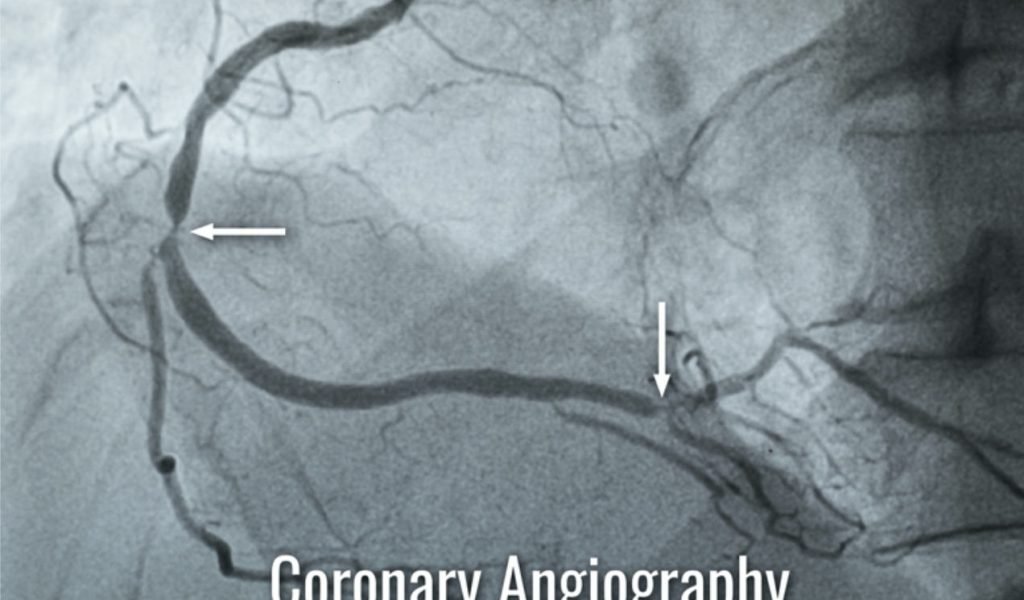
A coronary angiogram is a specialized diagnostic procedure used to evaluate the condition of the coronary arteries, which supply oxygen-rich blood to the heart muscle. It is considered one of the most accurate methods for identifying blockages, narrowing, or other abnormalities that may reduce blood flow to the heart. During the procedure, a contrast dye is injected into the coronary arteries through a thin catheter, and real-time X-ray images are captured to provide a detailed view of the blood vessels.
A coronary angiogram plays a vital role in diagnosing coronary artery disease, assessing the severity of heart conditions, and planning the most appropriate treatment. It is commonly recommended for patients experiencing symptoms suggestive of heart disease or those with abnormal findings on non-invasive cardiac tests. The procedure is minimally invasive, highly precise, and typically completed within a short period under expert medical supervision.
A coronary angiogram is advised when there is suspicion of reduced blood flow to the heart due to narrowing or blockage of the coronary arteries. The most common underlying cause is coronary artery disease, which develops as fatty deposits, cholesterol, and other substances accumulate within the artery walls, restricting blood circulation.
Several risk factors increase the likelihood of coronary artery disease, including high blood pressure, diabetes, elevated cholesterol levels, smoking, obesity, physical inactivity, unhealthy dietary habits, chronic stress, advancing age, and a family history of heart disease. Patients who have experienced a previous heart attack or have persistent chest discomfort despite medication may also require a coronary angiogram for accurate evaluation.
Your cardiologist may recommend a coronary angiogram if you experience symptoms that suggest reduced blood flow to the heart. The most common symptom is chest pain or pressure, often known as angina, which may occur during physical activity or emotional stress. Some patients may also experience shortness of breath, fatigue, dizziness, palpitations, pain radiating to the arm, neck, jaw, or back, or unexplained sweating.
In certain individuals, particularly those with diabetes, symptoms may be subtle or atypical. A coronary angiogram helps determine whether these symptoms are caused by coronary artery blockages and guides the most effective treatment approach.
Before recommending a coronary angiogram, a comprehensive cardiovascular assessment is performed. The evaluation includes a detailed medical history, physical examination, and review of risk factors. Initial investigations may include an electrocardiogram (ECG), echocardiogram, stress testing, blood investigations, or CT coronary angiography, depending on the patient’s condition.
If these tests indicate a significant possibility of coronary artery disease or if symptoms remain concerning, a coronary angiogram is performed to obtain definitive information about the location, extent, and severity of arterial blockages. The results assist in determining whether medications, angioplasty, or bypass surgery would provide the greatest benefit.
A coronary angiogram is primarily a diagnostic procedure, but it also serves as an important step in planning treatment. If the angiogram reveals mild coronary artery disease, many patients can be effectively managed with medications, lifestyle modifications, and regular cardiac follow-up.
When significant narrowing or blockage is identified, coronary angioplasty with stent placement may often be performed during the same procedure, restoring normal blood flow without the need for major surgery. In patients with multiple complex blockages, coronary artery bypass grafting (CABG) may be recommended for long-term management. The treatment strategy is carefully individualized based on the patient’s symptoms, overall health, and angiographic findings.
Recovery following a coronary angiogram is generally quick, with most patients able to return home the same day or after a short period of observation. Patients are advised to stay well hydrated to help eliminate the contrast dye from the body and to avoid strenuous physical activity for a short duration, particularly if the catheter was inserted through the wrist or groin.
Regular follow-up with the cardiologist is essential to review the findings, monitor recovery, and discuss long-term heart health. Patients should continue prescribed medications, adopt a heart-healthy diet, maintain regular physical activity as advised, stop smoking, and effectively manage conditions such as diabetes, hypertension, and high cholesterol to reduce future cardiovascular risk.
A coronary angiogram is a safe and commonly performed procedure with a very high success rate when conducted by experienced interventional cardiologists. Nevertheless, like any invasive procedure, there are certain risks, although serious complications are uncommon.
Potential risks include minor bleeding or bruising at the catheter insertion site, allergic reactions to the contrast dye, temporary kidney function changes, irregular heart rhythms, infection, blood vessel injury, or the formation of blood clots. Rarely, serious complications such as heart attack, stroke, or severe bleeding may occur. Careful patient evaluation, advanced imaging techniques, and continuous monitoring significantly reduce these risks and contribute to excellent procedural safety.
Medical evaluation should be sought promptly if you experience persistent or recurrent chest pain, unexplained shortness of breath, dizziness, fainting episodes, irregular heartbeat, or discomfort spreading to the shoulders, arms, jaw, neck, or back. Individuals with multiple cardiovascular risk factors, including diabetes, high blood pressure, elevated cholesterol, smoking, or a family history of heart disease, should also undergo regular cardiac assessments.
If symptoms become severe, occur suddenly, or are accompanied by excessive sweating, nausea, or difficulty breathing, immediate emergency medical attention is essential. Early diagnosis through a coronary angiogram, when indicated, can identify potentially life-threatening coronary artery disease and enable timely treatment, helping prevent heart attacks and improving long-term heart health.
Patients choose Dr. Sagar Chandrashekhar Bhuyar as their Consultant Interventional Cardiologist in Secunderabad for his combination of over 20 years of hands-on interventional experience, board certification (MBBS, MD, DNB – Cardiology), international fellowships (FACC, FESC), and an academic role that keeps his practice aligned with current cardiology research.
From preventive cardiology and cardiac imaging to complex coronary interventions, Dr. Bhuyar provides comprehensive heart care tailored to each patient's needs. His expertise includes Angiography, Angioplasty (PCI), Pacemaker Implantation, Peripheral Interventions, Balloon Valvoplasty, and Echocardiography.
Copyright © 2026 Dr. Sagar Chandrashekhar Bhuyar. All Rights Reserved.
WhatsApp us