Senior Consultant & Interventional Cardiologist
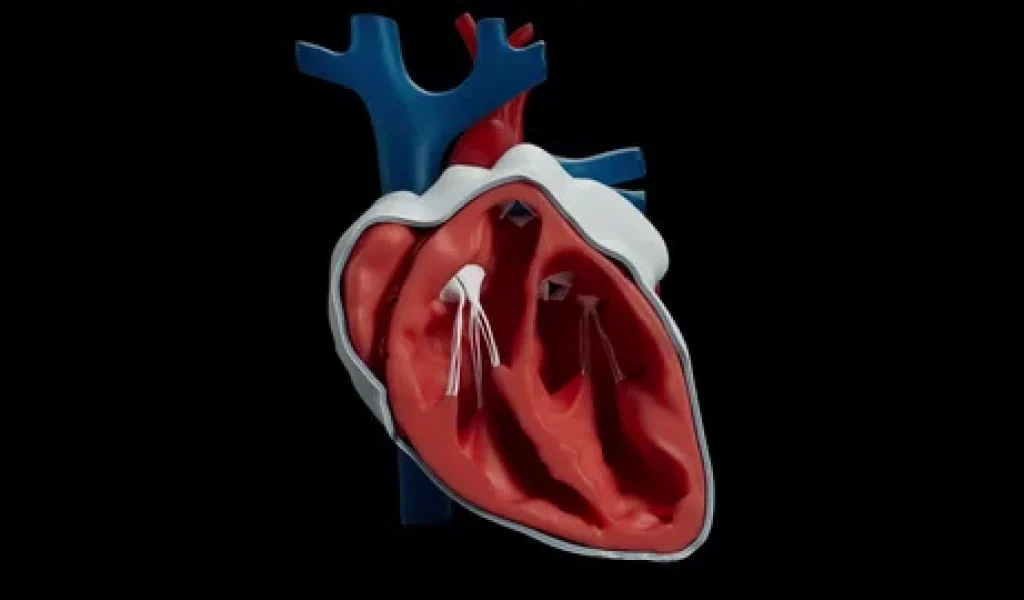
Pericarditis is an inflammatory condition affecting the pericardium, the thin, two-layered sac that surrounds and protects the heart. When this protective lining becomes inflamed, it can cause chest pain and other symptoms that may resemble those of a heart attack. Although many cases of pericarditis are mild and resolve with appropriate medical treatment, some patients may develop recurrent episodes or complications if the condition is left untreated. Early diagnosis and expert cardiac evaluation are essential to identify the underlying cause, relieve symptoms, and prevent long-term heart-related complications.
At Dr. Sagar Chandrashekhar Bhuyar’s practice, patients receive comprehensive evaluation and evidence-based treatment for pericarditis using advanced diagnostic techniques and personalized care plans. The primary goal is to reduce inflammation, manage symptoms effectively, and protect overall heart function.
Pericarditis can develop due to a variety of medical conditions, although in many cases the exact cause cannot be identified. Viral infections are among the most common triggers, but bacterial, fungal, or other infections may also lead to inflammation of the pericardium. Autoimmune disorders such as lupus or rheumatoid arthritis can cause the body’s immune system to attack the pericardial tissue. Other possible causes include recent heart attack, cardiac surgery, kidney failure, certain medications, chest trauma, and radiation therapy. Identifying the underlying cause plays a crucial role in determining the most effective treatment strategy and reducing the likelihood of recurrence.
The hallmark symptom of pericarditis is sharp or stabbing chest pain, which often becomes worse when lying flat or taking a deep breath and improves when sitting up or leaning forward. Some patients may experience pain that radiates to the shoulders, neck, or upper back. Additional symptoms may include fever, fatigue, shortness of breath, palpitations, weakness, dry cough, or swelling in the legs and abdomen if complications develop. Since these symptoms can closely resemble those of other serious heart conditions, prompt medical evaluation is essential to establish an accurate diagnosis.
Diagnosing pericarditis involves a thorough medical history, physical examination, and advanced cardiac investigations. During the examination, a characteristic pericardial friction rub may be heard with a stethoscope. Electrocardiography (ECG), echocardiography, chest X-rays, and blood tests are commonly used to detect inflammation, assess heart function, and identify possible infections or autoimmune conditions. In certain cases, advanced imaging such as cardiac CT or MRI may be recommended to evaluate the extent of inflammation and detect fluid accumulation around the heart. Accurate diagnosis helps distinguish pericarditis from other cardiac emergencies and ensures timely treatment.
Treatment for pericarditis depends on the underlying cause, severity of symptoms, and presence of any complications. Most uncomplicated cases respond well to anti-inflammatory medications that reduce pain and inflammation. Additional medications may be prescribed to lower the risk of recurrence or to treat specific underlying infections or autoimmune diseases. Patients are generally advised to avoid strenuous physical activity until the inflammation has completely resolved.
If significant fluid accumulates around the heart, a condition known as pericardial effusion, specialized procedures may be required to drain the excess fluid and relieve pressure on the heart. In rare and severe cases involving recurrent or chronic inflammation, surgical intervention may be considered. Throughout treatment, careful monitoring ensures that recovery progresses safely while minimizing the risk of future episodes.
Recovery from pericarditis requires ongoing follow-up to confirm that the inflammation has resolved completely and that normal heart function has been restored. Patients should take prescribed medications exactly as directed and attend scheduled follow-up appointments for repeat clinical assessments or imaging studies when necessary. Gradual return to regular physical activities should only occur after medical clearance. Maintaining a heart-healthy lifestyle, managing chronic medical conditions, and seeking prompt treatment for infections can help reduce the likelihood of recurrence and support long-term cardiovascular health.
Although many patients recover fully, untreated or severe pericarditis may lead to potentially serious complications. Excess fluid accumulation around the heart can interfere with its ability to pump effectively, a condition known as cardiac tamponade that requires immediate medical attention. Recurrent pericarditis may cause repeated episodes of chest pain and inflammation. In rare cases, chronic inflammation can result in constrictive pericarditis, where the pericardium becomes thickened and scarred, restricting normal heart function. Early diagnosis, appropriate treatment, and regular follow-up significantly reduce the risk of these complications.
Medical evaluation should be sought immediately if you experience sudden or severe chest pain, especially when accompanied by shortness of breath, dizziness, fainting, rapid heartbeat, or excessive sweating. Patients with persistent fever, worsening chest discomfort, or symptoms that do not improve with treatment should also consult a cardiologist without delay. Individuals who have recently experienced a viral infection, heart attack, or heart surgery and develop chest pain should undergo prompt cardiac assessment. Early consultation with an experienced interventional cardiologist ensures accurate diagnosis, timely treatment, and the best possible outcome for heart health.
Patients choose Dr. Sagar Chandrashekhar Bhuyar as their Consultant Interventional Cardiologist in Secunderabad for his combination of over 20 years of hands-on interventional experience, board certification (MBBS, MD, DNB – Cardiology), international fellowships (FACC, FESC), and an academic role that keeps his practice aligned with current cardiology research.
From preventive cardiology and cardiac imaging to complex coronary interventions, Dr. Bhuyar provides comprehensive heart care tailored to each patient's needs. His expertise includes Angiography, Angioplasty (PCI), Pacemaker Implantation, Peripheral Interventions, Balloon Valvoplasty, and Echocardiography.
Copyright © 2026 Dr. Sagar Chandrashekhar Bhuyar. All Rights Reserved.
WhatsApp us