Senior Consultant & Interventional Cardiologist
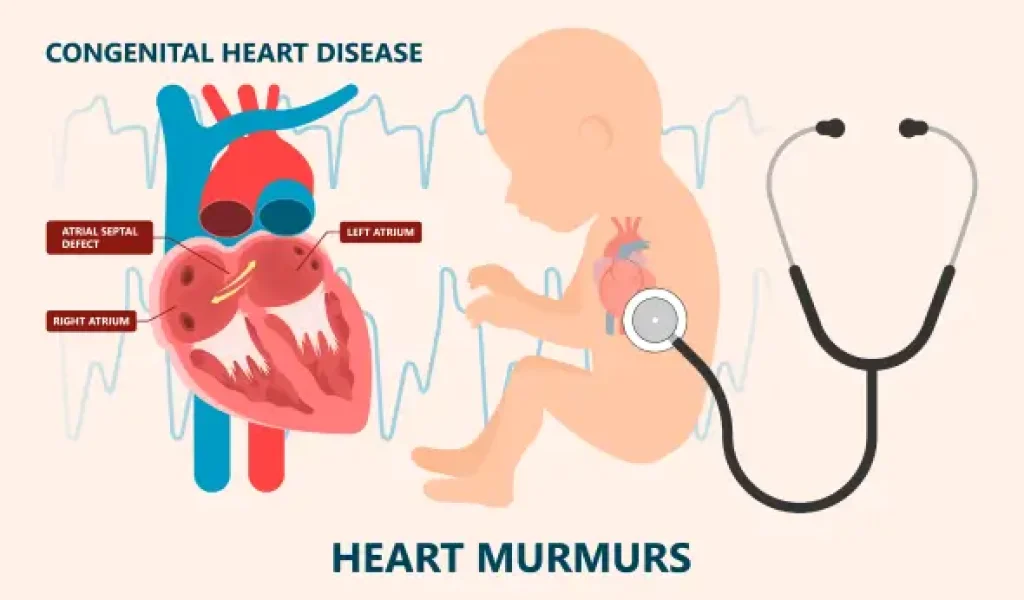
Congenital Heart Disease (CHD) refers to a group of structural abnormalities of the heart that are present at birth. These defects can affect the walls of the heart, heart valves, blood vessels, or the way blood flows through the heart. While some congenital heart defects are simple and may not require immediate treatment, others are more complex and need specialized medical care or interventional procedures. Advances in cardiology have significantly improved the diagnosis and treatment of congenital heart disease, allowing many children and adults to lead healthy, active lives. Early detection, timely intervention, and regular follow-up are essential to prevent long-term complications and maintain optimal heart function.
Congenital heart disease develops during the early stages of fetal development when the heart does not form normally. In many cases, the exact cause remains unknown. However, several factors may increase the risk, including genetic abnormalities, inherited conditions, maternal diabetes, certain viral infections during pregnancy such as rubella, exposure to alcohol or harmful medications during pregnancy, smoking, and poor maternal nutrition. Some congenital heart defects occur as part of genetic syndromes, while others develop without any identifiable cause. Although these conditions are present at birth, symptoms may not become noticeable until later in childhood or adulthood, depending on the severity of the defect.
The symptoms of congenital heart disease vary widely depending on the type and severity of the heart defect. Infants with significant congenital heart disease may develop rapid breathing, poor feeding, excessive sweating during feeding, bluish discoloration of the lips or skin (cyanosis), inadequate weight gain, or frequent respiratory infections. Older children and adults may experience shortness of breath during physical activity, fatigue, chest discomfort, dizziness, fainting episodes, irregular heartbeats, or reduced exercise tolerance. Some individuals with mild congenital heart defects may remain symptom-free for years and are diagnosed only during routine medical examinations.
A comprehensive evaluation is essential for accurately diagnosing congenital heart disease and determining the most appropriate treatment plan. The diagnostic process begins with a detailed medical history and physical examination, during which heart murmurs or other abnormal findings may be detected. Advanced investigations such as electrocardiography (ECG), echocardiography, chest X-ray, cardiac CT scan, cardiac MRI, and cardiac catheterization help assess the structure and function of the heart. In selected cases, fetal echocardiography can identify congenital heart defects before birth, allowing for better planning of postnatal care. Accurate diagnosis enables timely intervention and improves long-term outcomes.
Treatment depends on the type, location, and severity of the congenital heart defect, as well as the patient’s age and overall health. Some minor defects require only periodic monitoring, while more significant abnormalities may need medication to manage symptoms or improve heart function. Interventional cardiology offers minimally invasive procedures that can successfully treat many congenital heart defects without the need for open-heart surgery. These include device closure of atrial septal defects (ASD), ventricular septal defects (VSD), patent ductus arteriosus (PDA), and balloon procedures for narrowed heart valves or blood vessels. More complex conditions may require surgical correction or a combination of surgery and catheter-based interventions. Personalized treatment planning ensures the safest and most effective approach for each patient.
Following treatment, regular follow-up with a cardiologist is important to monitor heart function and ensure continued recovery. Patients are advised to take prescribed medications as directed, attend scheduled cardiac evaluations, and maintain a heart-healthy lifestyle that includes balanced nutrition, regular physical activity as recommended, adequate sleep, and avoidance of tobacco products. Children who undergo successful treatment often require periodic monitoring as they grow, while adults with congenital heart disease may benefit from lifelong cardiac care. Early identification of any changes during follow-up helps prevent complications and supports long-term cardiovascular health.
If left untreated, congenital heart disease can lead to several serious complications, including heart failure, pulmonary hypertension, abnormal heart rhythms, stroke, infective endocarditis, blood clots, reduced oxygen levels, and impaired physical development in children. Certain complex congenital heart defects may also increase the risk of long-term cardiac dysfunction. Even after successful treatment, some patients may require ongoing monitoring to detect residual defects or late complications. Timely diagnosis, appropriate intervention, and regular follow-up significantly reduce these risks and improve quality of life.
Medical evaluation is recommended if an infant develops bluish skin, difficulty feeding, poor weight gain, rapid breathing, or excessive sweating during routine activities. Older children and adults should consult a cardiologist if they experience persistent shortness of breath, unexplained fatigue, chest discomfort, fainting episodes, palpitations, or reduced exercise capacity. Individuals with a family history of congenital heart disease or those diagnosed with a heart murmur should also undergo appropriate cardiac evaluation. Seeking expert medical attention at the earliest signs of concern allows for prompt diagnosis, timely treatment, and better long-term heart health.
Patients choose Dr. Sagar Chandrashekhar Bhuyar as their Consultant Interventional Cardiologist in Secunderabad for his combination of over 20 years of hands-on interventional experience, board certification (MBBS, MD, DNB – Cardiology), international fellowships (FACC, FESC), and an academic role that keeps his practice aligned with current cardiology research.
From preventive cardiology and cardiac imaging to complex coronary interventions, Dr. Bhuyar provides comprehensive heart care tailored to each patient's needs. His expertise includes Angiography, Angioplasty (PCI), Pacemaker Implantation, Peripheral Interventions, Balloon Valvoplasty, and Echocardiography.
Copyright © 2026 Dr. Sagar Chandrashekhar Bhuyar. All Rights Reserved.
WhatsApp us