Senior Consultant & Interventional Cardiologist
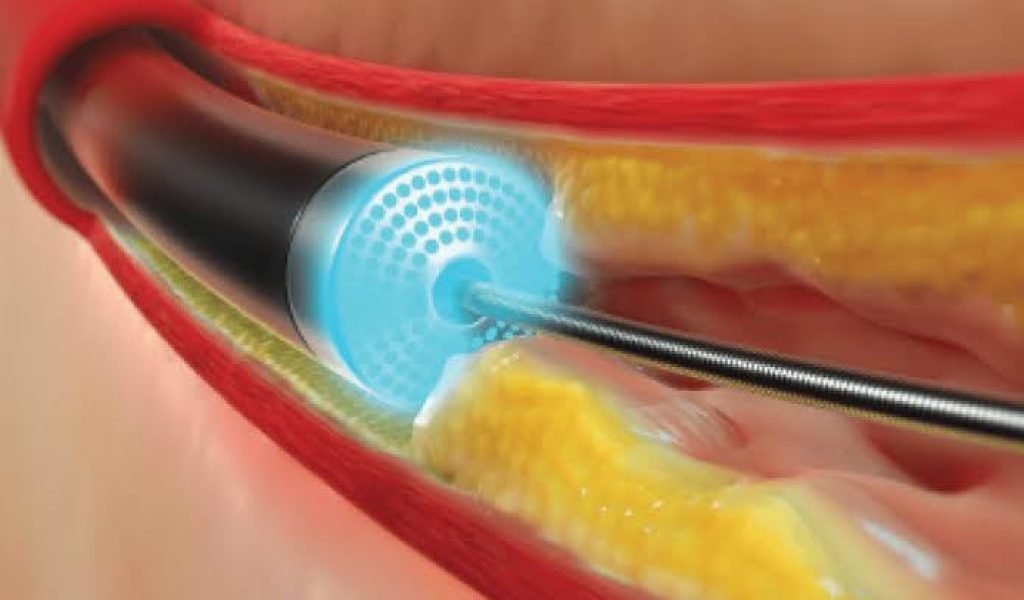
Laser angioplasty is an advanced minimally invasive procedure used to restore blood flow in arteries that have become narrowed or blocked due to the buildup of fatty deposits, known as plaque. Unlike conventional balloon angioplasty alone, laser angioplasty uses a specialized catheter equipped with laser energy to vaporize or break down the blockage before widening the artery. This technique is particularly beneficial in certain complex cases where hardened plaque or chronic blockages make traditional treatment more challenging. The primary objective of laser angioplasty is to improve circulation, relieve symptoms, reduce the risk of heart attack, and enhance overall cardiovascular health while promoting faster recovery with minimal discomfort.
Laser angioplasty is commonly recommended for patients whose arteries have become narrowed because of atherosclerosis, a condition caused by the gradual accumulation of cholesterol, calcium, fat, and inflammatory cells within the arterial walls. Several factors contribute to the development of these blockages, including high cholesterol, uncontrolled high blood pressure, diabetes, smoking, obesity, physical inactivity, advancing age, and a family history of cardiovascular disease. Individuals with multiple risk factors are more likely to develop severe arterial narrowing that may require advanced treatment such as laser angioplasty.
Patients with blocked arteries may experience symptoms that vary depending on the location and severity of the obstruction. Coronary artery blockages often present as chest pain or pressure (angina), shortness of breath, fatigue during physical activity, dizziness, or pain radiating to the shoulders, arms, neck, or jaw. In some cases, reduced blood flow to the legs may cause leg pain while walking, numbness, cold extremities, or delayed wound healing. Some individuals may not experience noticeable symptoms until the blockage becomes severe or leads to a cardiovascular emergency, making regular cardiac evaluation essential for those at increased risk.
An accurate diagnosis is essential before planning laser angioplasty. Dr. Sagar Chandrashekhar Bhuyar performs a comprehensive cardiovascular assessment that begins with a detailed medical history, evaluation of symptoms, and physical examination. Depending on the patient’s condition, additional investigations may include electrocardiography (ECG), echocardiography, stress testing, blood investigations, CT coronary angiography, or coronary angiography. Coronary angiography remains the gold standard for identifying the exact location, severity, and characteristics of arterial blockages, helping determine whether laser angioplasty is the most suitable treatment option.
Laser angioplasty is performed through a small puncture in the wrist or groin using a thin catheter that is carefully guided to the blocked artery. Once positioned, controlled laser energy is delivered to vaporize or modify the plaque, creating a clearer pathway for blood flow. In many cases, balloon angioplasty is performed immediately afterward to further widen the artery, followed by the placement of a coronary stent to keep the vessel open and reduce the risk of future narrowing. The procedure is performed under local anesthesia with imaging guidance, allowing precise treatment while minimizing trauma to surrounding tissues. Depending on the patient’s overall cardiovascular condition, laser angioplasty may be combined with lifestyle modifications, medications, and long-term preventive care to achieve the best outcomes.
Recovery after laser angioplasty is generally quick, with many patients able to resume normal daily activities within a few days, depending on their individual condition. Following the procedure, patients are closely monitored to ensure stable heart function and proper healing of the catheter insertion site. Medications such as antiplatelet agents, cholesterol-lowering drugs, blood pressure medications, and diabetes management therapies may be prescribed to prevent future blockages. Adopting a heart-healthy lifestyle that includes regular exercise, a balanced diet, smoking cessation, stress management, and routine follow-up visits plays a crucial role in maintaining long-term cardiovascular health and preventing disease progression.
Laser angioplasty is considered a safe and effective procedure when performed by an experienced interventional cardiologist. However, as with any medical intervention, there are potential risks. These may include bleeding or bruising at the catheter insertion site, allergic reactions to contrast dye, irregular heart rhythms, infection, blood vessel injury, blood clot formation, restenosis (re-narrowing of the treated artery), or, in rare cases, heart attack or stroke. Careful patient selection, advanced procedural techniques, and comprehensive post-procedure monitoring significantly reduce the likelihood of these complications.
You should seek medical attention if you experience persistent chest pain, shortness of breath, unexplained fatigue, dizziness, or discomfort that worsens during physical activity. Individuals with diabetes, hypertension, high cholesterol, or a family history of heart disease should undergo regular cardiovascular evaluations even in the absence of symptoms. Patients who have previously undergone angioplasty or stent placement should also attend routine follow-up appointments to monitor their heart health. Early diagnosis and timely intervention can prevent serious complications and improve long-term quality of life.
Dr. Sagar Chandrashekhar Bhuyar provides comprehensive evaluation and advanced interventional cardiology services, including laser angioplasty, with a patient-focused approach. By combining modern technology, evidence-based treatment, and personalized cardiac care, the goal is to restore healthy blood flow, relieve symptoms, and help patients achieve lasting cardiovascular wellness.
Patients choose Dr. Sagar Chandrashekhar Bhuyar as their Consultant Interventional Cardiologist in Secunderabad for his combination of over 20 years of hands-on interventional experience, board certification (MBBS, MD, DNB – Cardiology), international fellowships (FACC, FESC), and an academic role that keeps his practice aligned with current cardiology research.
From preventive cardiology and cardiac imaging to complex coronary interventions, Dr. Bhuyar provides comprehensive heart care tailored to each patient's needs. His expertise includes Angiography, Angioplasty (PCI), Pacemaker Implantation, Peripheral Interventions, Balloon Valvoplasty, and Echocardiography.
Copyright © 2026 Dr. Sagar Chandrashekhar Bhuyar. All Rights Reserved.
WhatsApp us