Senior Consultant & Interventional Cardiologist
Chronic Total Occlusion (CTO) Angioplasty is an advanced minimally invasive procedure performed to restore blood flow through a coronary artery that has been completely blocked for three months or longer. These long-standing blockages develop due to the gradual buildup of cholesterol-rich plaques within the artery, restricting oxygen-rich blood from reaching the heart muscle. While some patients develop collateral blood vessels that partially compensate for the blockage, many continue to experience symptoms that significantly affect their quality of life.
CTO Angioplasty is a highly specialized form of coronary intervention that requires advanced imaging, specialized guidewires, and expert procedural techniques. The procedure aims to reopen the blocked artery, relieve symptoms, improve heart function, enhance exercise capacity, and reduce the need for more invasive surgical procedures in appropriately selected patients. Under the expertise of Dr. Sagar Chandrashekhar Bhuyar, each patient undergoes a comprehensive evaluation to determine whether CTO Angioplasty is the most suitable treatment option.
A chronic total coronary artery blockage usually develops as a result of progressive coronary artery disease. Over time, fatty deposits, cholesterol, calcium, and inflammatory cells accumulate within the artery walls, eventually leading to complete obstruction. Several risk factors contribute to this condition, including high blood pressure, diabetes, high cholesterol levels, smoking, obesity, advancing age, and a family history of heart disease.
Lifestyle factors such as physical inactivity, unhealthy dietary habits, and prolonged uncontrolled cardiovascular risk factors further increase the likelihood of developing chronic total occlusions. Individuals who have previously experienced a heart attack or have long-standing coronary artery disease may also be at greater risk.
The symptoms of a chronic total occlusion can vary depending on the extent of the blockage and the heart’s ability to develop alternative blood supply through collateral vessels. Some patients may have minimal symptoms initially, while others experience significant limitations in their daily activities.
Common symptoms include chest pain or discomfort (angina), shortness of breath during physical activity, unusual fatigue, reduced exercise tolerance, palpitations, and occasional dizziness. In some cases, patients continue to experience persistent symptoms despite receiving medications or previous coronary interventions. These symptoms should never be ignored, as they may indicate reduced blood flow to the heart muscle.
An accurate diagnosis is essential before planning CTO Angioplasty. The evaluation begins with a detailed medical history, assessment of symptoms, physical examination, and review of cardiovascular risk factors. Non-invasive tests such as an electrocardiogram (ECG), echocardiogram, stress testing, or cardiac CT imaging may help assess heart function and detect areas of reduced blood flow.
Coronary angiography remains the gold standard for diagnosing chronic total occlusions. During this procedure, contrast dye is injected into the coronary arteries to identify the exact location, length, and complexity of the blockage. Advanced imaging techniques, including intravascular ultrasound (IVUS) or optical coherence tomography (OCT), may also be used to guide treatment and improve procedural accuracy.
The treatment approach depends on the severity of symptoms, extent of coronary artery disease, heart function, and the patient’s overall health. Initially, some patients may benefit from lifestyle modifications and medications to improve blood flow and control symptoms. However, when symptoms persist or significantly impact quality of life, revascularization may be recommended.
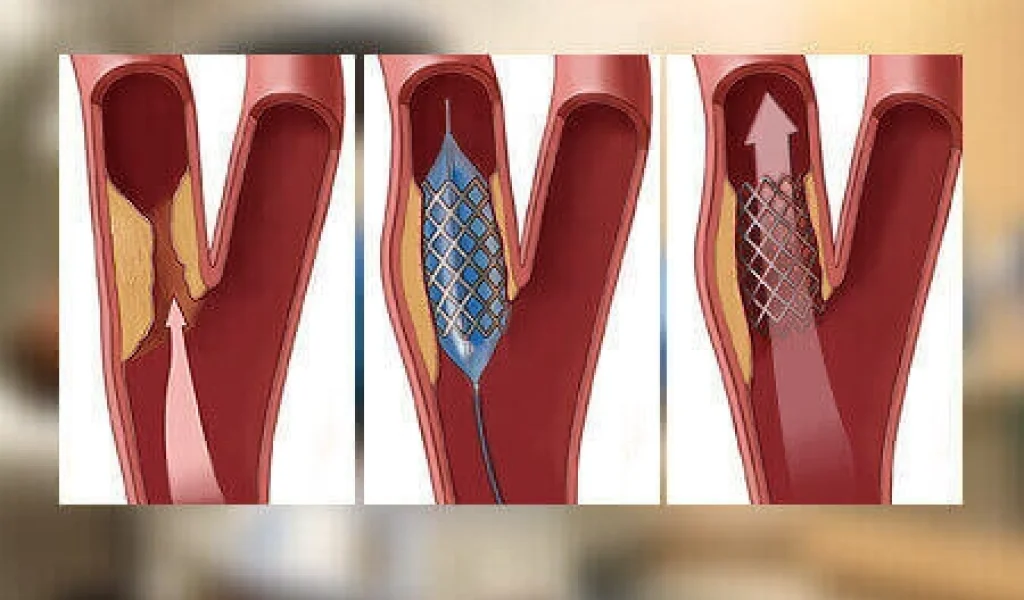
CTO Angioplasty involves carefully navigating specialized guidewires through the completely blocked artery, followed by balloon angioplasty and placement of one or more coronary stents to restore blood flow. The procedure is performed through a small catheter inserted into the wrist or groin under local anesthesia, avoiding the need for open-heart surgery in many suitable patients. In complex cases involving multiple blockages or specific anatomical considerations, coronary artery bypass grafting (CABG) may be recommended as an alternative treatment option.
Recovery after CTO Angioplasty is generally faster than traditional heart surgery, with many patients returning home within one or two days. Following the procedure, patients are prescribed medications, including antiplatelet therapy, to reduce the risk of clot formation within the stent and maintain optimal blood flow.
Long-term success depends on regular follow-up appointments, adherence to prescribed medications, and commitment to a heart-healthy lifestyle. Patients are encouraged to follow a balanced diet, engage in regular physical activity as advised by their cardiologist, quit smoking, maintain healthy blood pressure and cholesterol levels, and effectively manage diabetes if present. Participation in a structured cardiac rehabilitation program may further improve recovery and long-term cardiovascular health.
Although CTO Angioplasty is considered safe when performed by experienced interventional cardiologists, every medical procedure carries some degree of risk. Possible complications include bleeding at the catheter insertion site, blood vessel injury, allergic reaction to contrast dye, irregular heart rhythms, blood clot formation, heart attack, stroke, kidney function changes related to contrast use, or re-narrowing of the treated artery over time.
Complex CTO procedures may occasionally require longer procedure times or additional specialized techniques. Careful patient selection, advanced procedural planning, and modern imaging technologies significantly contribute to minimizing these risks and improving treatment outcomes.
You should consult a cardiologist if you experience recurring chest pain, shortness of breath during routine activities, unexplained fatigue, or reduced exercise capacity, particularly if you have known coronary artery disease or cardiovascular risk factors. Individuals whose symptoms continue despite medications or previous heart treatments should undergo further evaluation to determine whether a chronic total occlusion is present.
Seeking timely medical attention allows for early diagnosis and appropriate treatment, helping prevent complications such as heart attack, worsening heart function, or heart failure. Early intervention with advanced procedures like CTO Angioplasty can significantly improve symptoms, restore blood flow, and enhance long-term heart health and overall quality of life.
Patients choose Dr. Sagar Chandrashekhar Bhuyar as their Consultant Interventional Cardiologist in Secunderabad for his combination of over 20 years of hands-on interventional experience, board certification (MBBS, MD, DNB – Cardiology), international fellowships (FACC, FESC), and an academic role that keeps his practice aligned with current cardiology research.
From preventive cardiology and cardiac imaging to complex coronary interventions, Dr. Bhuyar provides comprehensive heart care tailored to each patient's needs. His expertise includes Angiography, Angioplasty (PCI), Pacemaker Implantation, Peripheral Interventions, Balloon Valvoplasty, and Echocardiography.
Copyright © 2026 Dr. Sagar Chandrashekhar Bhuyar. All Rights Reserved.
WhatsApp us