Senior Consultant & Interventional Cardiologist
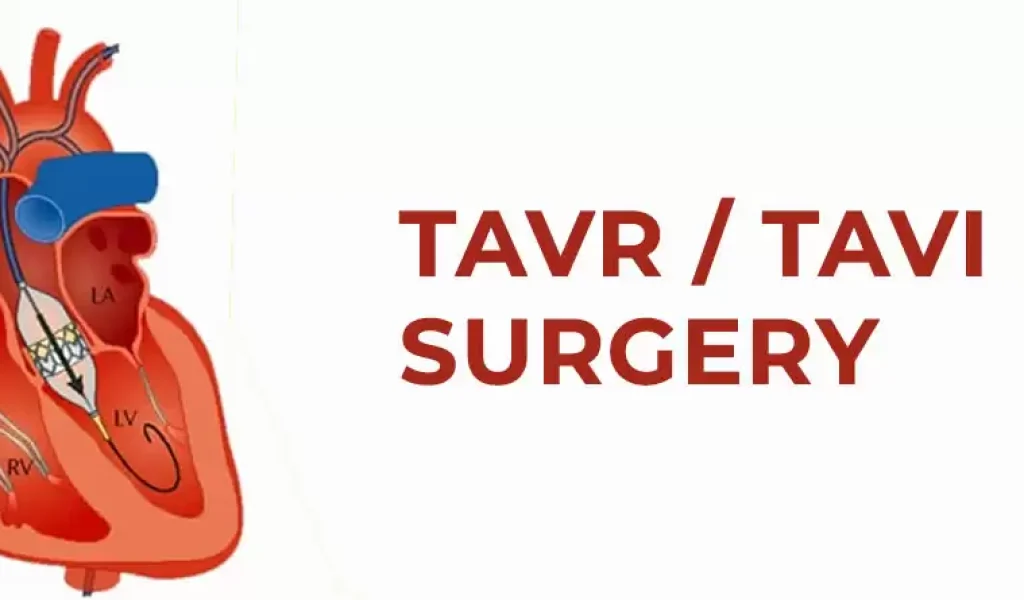
Transcatheter Aortic Valve Implantation (TAVI), also known as Transcatheter Aortic Valve Replacement (TAVR), is a minimally invasive procedure used to treat severe aortic valve stenosis. Aortic stenosis occurs when the aortic valve becomes narrowed due to age-related calcification or other underlying conditions, restricting blood flow from the heart to the rest of the body. Without timely treatment, this condition can lead to heart failure, stroke, and other life-threatening complications.
Unlike traditional open-heart surgery, TAVI/TAVR allows the diseased valve to be replaced through a catheter inserted via a blood vessel, most commonly in the groin. This advanced procedure is particularly beneficial for elderly patients or individuals who are considered at moderate or high surgical risk. With shorter hospital stays, faster recovery, and excellent long-term outcomes, TAVI/TAVR has become one of the most effective treatment options for appropriately selected patients with severe aortic stenosis.
The most common cause of severe aortic stenosis is age-related calcification, where calcium deposits gradually accumulate on the aortic valve, causing it to stiffen and narrow over time. Congenital heart conditions, such as a bicuspid aortic valve, can also increase the risk of developing valve disease at a younger age. In some individuals, rheumatic heart disease following untreated streptococcal infections may damage the valve and lead to narrowing. Risk factors including hypertension, diabetes, high cholesterol, chronic kidney disease, smoking, and a family history of heart disease may contribute to the progression of aortic valve disease.
Many patients with mild aortic stenosis may not experience symptoms initially. However, as the condition progresses, symptoms become more noticeable and can significantly affect daily life. Common symptoms include chest pain or discomfort, shortness of breath during physical activity or at rest, dizziness, fainting spells, fatigue, reduced exercise tolerance, and palpitations. Some patients may also develop swelling in the legs or signs of heart failure. Since these symptoms often worsen gradually, early medical evaluation is essential for timely diagnosis and treatment.
A thorough evaluation is necessary to determine whether TAVI/TAVR is the most appropriate treatment option. The diagnostic process begins with a detailed medical history and physical examination. Echocardiography is the primary imaging test used to assess the severity of aortic valve narrowing and evaluate heart function. Additional investigations such as electrocardiography (ECG), chest X-ray, CT angiography, cardiac catheterization, and blood tests may be performed to assess the patient’s overall cardiovascular health and determine the most suitable treatment strategy. A multidisciplinary heart team carefully reviews each case to ensure the best possible outcome.
The choice of treatment depends on the severity of aortic stenosis, the patient’s age, overall health, and surgical risk. Patients with mild disease may initially be managed with regular monitoring and medications to control associated conditions, although medication alone cannot reverse valve narrowing.
For patients with severe symptomatic aortic stenosis, TAVI/TAVR offers an advanced, minimally invasive alternative to surgical valve replacement. During the procedure, a replacement valve is delivered through a catheter and positioned within the diseased valve without removing the original valve. The new valve immediately begins regulating blood flow more effectively. The procedure is typically performed under local anesthesia or conscious sedation, resulting in reduced discomfort, shorter recovery time, and a quicker return to normal activities compared to conventional surgery.
Following TAVI/TAVR, patients are closely monitored to ensure proper valve function and detect any early complications. Most individuals are able to walk within a day and are discharged from the hospital within a few days, depending on their overall condition. Medications such as blood thinners or antiplatelet therapy may be prescribed to reduce the risk of clot formation. Regular follow-up visits, echocardiograms, and lifestyle modifications play an important role in maintaining heart health. Patients are encouraged to follow a heart-healthy diet, remain physically active as advised by their cardiologist, manage blood pressure and diabetes effectively, avoid smoking, and adhere to prescribed medications for long-term success.
Although TAVI/TAVR is considered a safe and highly successful procedure, no medical intervention is entirely free of risk. Potential complications include bleeding, infection, stroke, blood vessel injury, heart rhythm disturbances requiring a pacemaker, leakage around the implanted valve, blood clots, or rarely, valve malfunction. The likelihood of complications is significantly reduced when the procedure is performed by an experienced structural heart team using advanced imaging and modern techniques. Careful patient selection and comprehensive pre-procedure planning further improve safety and outcomes.
You should seek medical evaluation if you experience persistent chest pain, unexplained shortness of breath, dizziness, fainting episodes, excessive fatigue, or reduced ability to perform routine physical activities. Individuals previously diagnosed with aortic valve disease should never ignore worsening symptoms, as severe aortic stenosis can progress rapidly once symptoms develop. Early consultation with a cardiologist allows timely diagnosis and helps determine whether TAVI/TAVR or another treatment option is appropriate, significantly improving quality of life and reducing the risk of serious cardiac complications.
Dr. Sagar Chandrashekhar Bhuyar commitment to clinical excellence, innovation, and compassionate treatment helps patients achieve better heart health and improved quality of life.
From preventive cardiology and cardiac imaging to complex coronary interventions, Dr. Bhuyar provides comprehensive heart care tailored to each patient's needs. His expertise includes Angiography, Angioplasty (PCI), Pacemaker Implantation, Peripheral Interventions, Balloon Valvoplasty, and Echocardiography.
Copyright © 2026 Dr. Sagar Chandrashekhar Bhuyar. All Rights Reserved.
WhatsApp us