Senior Consultant & Interventional Cardiologist
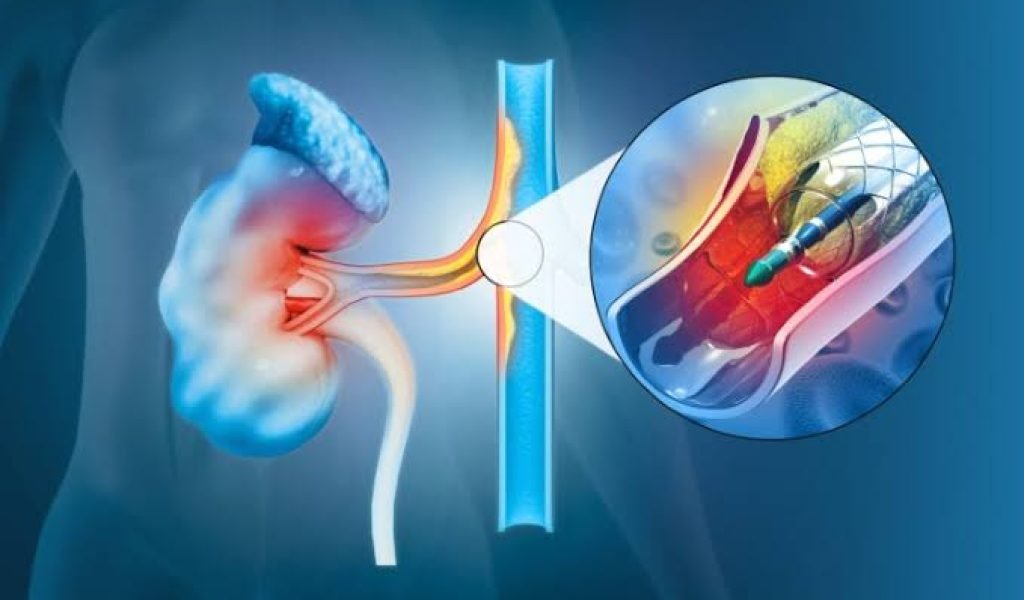
Renal angioplasty is a minimally invasive procedure performed to restore proper blood flow through the arteries that supply the kidneys. It is primarily used to treat renal artery stenosis, a condition in which one or both renal arteries become narrowed due to the buildup of fatty deposits or other vascular disorders. Reduced blood flow to the kidneys can lead to difficult-to-control high blood pressure, declining kidney function, and, in severe cases, kidney failure.
During the procedure, a thin catheter is guided through a blood vessel to the affected renal artery. A small balloon at the tip of the catheter is inflated to widen the narrowed artery, and in many cases, a stent is placed to help keep the artery open. Renal angioplasty offers an effective alternative to open surgery, allowing patients to benefit from shorter recovery times, minimal discomfort, and improved blood circulation to the kidneys.
The most common cause of renal artery narrowing is atherosclerosis, a condition in which cholesterol and fatty deposits accumulate within the arterial walls. This is more frequently seen in older adults and individuals with diabetes, high cholesterol, smoking history, or long-standing hypertension. Another important cause is fibromuscular dysplasia, a non-atherosclerotic condition that affects the arterial walls and is more commonly diagnosed in younger individuals, particularly women.
Less commonly, renal artery narrowing may occur due to inflammatory diseases affecting blood vessels, congenital abnormalities, trauma, or previous vascular interventions. Identifying the underlying cause is essential for selecting the most appropriate treatment and reducing the risk of future complications.
Many patients with renal artery stenosis may not experience noticeable symptoms during the early stages. As the narrowing progresses, reduced blood supply to the kidneys can result in persistent or resistant high blood pressure that remains uncontrolled despite multiple medications. Some patients may also experience a gradual decline in kidney function, swelling in the legs or feet due to fluid retention, fatigue, or episodes of sudden fluid accumulation in the lungs causing breathlessness.
In advanced cases, blood tests may reveal worsening kidney function, and patients may notice decreased urine output or other signs of kidney impairment. Early recognition and timely evaluation are important to prevent permanent kidney damage.
Accurate diagnosis begins with a thorough clinical assessment, including a review of medical history, blood pressure measurements, and evaluation of kidney function through laboratory tests. Imaging studies play a vital role in confirming the diagnosis and determining the severity of arterial narrowing.
Common diagnostic investigations include Doppler ultrasound of the renal arteries, CT angiography, MR angiography, and catheter-based renal angiography, which remains the gold standard for detailed visualization of the renal blood vessels. These investigations help determine the location and extent of the blockage while assisting in planning the most suitable treatment approach.
Treatment depends on the severity of the narrowing, associated symptoms, kidney function, and the patient’s overall health. Mild cases may initially be managed with medications to control blood pressure, cholesterol levels, and other cardiovascular risk factors, along with lifestyle modifications.
When significant narrowing causes uncontrolled hypertension, declining kidney function, or recurrent complications, renal angioplasty with or without stent placement is often recommended. The procedure improves blood flow to the kidneys, helps stabilize or improve kidney function in selected patients, and may contribute to better blood pressure control. In rare situations where angioplasty is not feasible or successful, surgical revascularization may be considered.
Following renal angioplasty, patients are usually monitored for several hours or overnight to ensure there are no immediate complications. Regular follow-up appointments are essential to monitor blood pressure, kidney function, and the long-term success of the procedure. Medications prescribed to prevent blood clot formation and manage underlying cardiovascular risk factors should be taken exactly as directed.
Adopting a heart-healthy lifestyle plays an important role in preventing future arterial narrowing. Maintaining a balanced diet, engaging in regular physical activity, quitting smoking, managing diabetes, and controlling cholesterol levels all contribute to improved vascular and kidney health. Periodic imaging studies may also be recommended to confirm that the treated artery remains open.
Renal angioplasty is considered a safe and effective procedure when performed by experienced specialists, but like all medical interventions, it carries certain risks. Potential complications include bleeding or bruising at the catheter insertion site, allergic reactions to contrast dye, blood vessel injury, infection, blood clot formation, or temporary changes in kidney function. In some cases, the treated artery may gradually narrow again over time, requiring additional monitoring or further treatment.
Careful patient selection, advanced imaging techniques, and meticulous procedural planning significantly reduce the likelihood of complications while improving treatment outcomes.
Medical evaluation is recommended if you have high blood pressure that remains uncontrolled despite appropriate medications, unexplained deterioration in kidney function, recurrent episodes of sudden fluid overload affecting the lungs, or abnormal findings suggesting reduced blood flow to the kidneys. Individuals with a history of vascular disease, diabetes, smoking, or elevated cholesterol should also undergo timely assessment if symptoms develop.
Early diagnosis and treatment of renal artery stenosis can help preserve kidney function, improve blood pressure control, and reduce the risk of long-term cardiovascular and renal complications. Consulting an experienced vascular specialist ensures a personalized treatment plan focused on achieving the best possible outcome and maintaining long-term kidney health.
Dr. Sagar Chandrashekhar Bhuyar commitment to clinical excellence, innovation, and compassionate treatment helps patients achieve better heart health and improved quality of life.
From preventive cardiology and cardiac imaging to complex coronary interventions, Dr. Bhuyar provides comprehensive heart care tailored to each patient's needs. His expertise includes Angiography, Angioplasty (PCI), Pacemaker Implantation, Peripheral Interventions, Balloon Valvoplasty, and Echocardiography.
Copyright © 2026 Dr. Sagar Chandrashekhar Bhuyar. All Rights Reserved.
WhatsApp us