Senior Consultant & Interventional Cardiologist
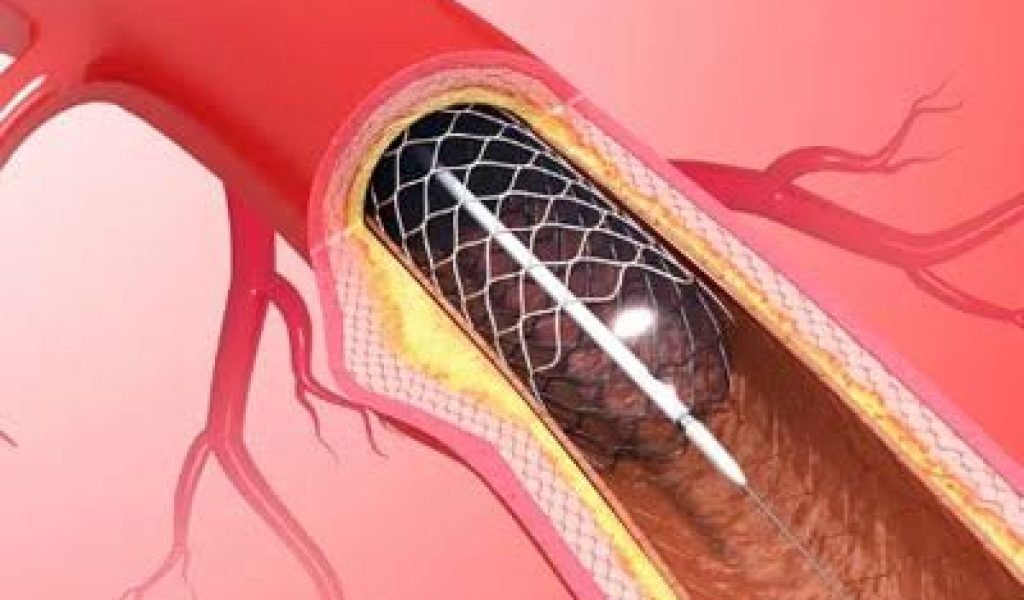
Primary angioplasty, also known as Primary Percutaneous Coronary Intervention (Primary PCI), is an emergency, life-saving procedure performed to restore blood flow to the heart during an acute heart attack (ST-Elevation Myocardial Infarction or STEMI). When a coronary artery becomes suddenly blocked due to a blood clot, the heart muscle begins to lose its oxygen supply, leading to permanent damage if blood flow is not restored promptly. Primary angioplasty involves inserting a thin catheter through an artery in the wrist or groin and guiding it to the blocked coronary artery. A small balloon is inflated to open the blockage, and in most cases, a stent is placed to keep the artery open. When performed quickly by an experienced interventional cardiologist, primary angioplasty significantly improves survival rates, preserves heart function, and reduces the risk of long-term complications.
Primary angioplasty is performed to treat heart attacks caused by a sudden blockage in one of the coronary arteries. This blockage usually develops when a cholesterol-rich plaque within the artery ruptures, triggering the formation of a blood clot that completely obstructs blood flow to the heart muscle. Several factors increase the risk of developing coronary artery disease and subsequent heart attacks, including high blood pressure, diabetes, elevated cholesterol levels, smoking, obesity, physical inactivity, chronic stress, unhealthy dietary habits, advancing age, and a family history of heart disease. Managing these risk factors is essential for preventing future cardiac events.
A heart attack requiring primary angioplasty typically presents with severe chest pain or pressure that lasts for several minutes and may spread to the left arm, shoulder, neck, jaw, or back. Patients may also experience shortness of breath, excessive sweating, nausea, vomiting, dizziness, extreme fatigue, or a feeling of impending doom. Some individuals, particularly older adults and patients with diabetes, may experience less typical symptoms such as unexplained weakness, indigestion-like discomfort, or mild chest pain. Since every minute counts during a heart attack, immediate medical attention is crucial whenever these symptoms occur.
The diagnosis of a heart attack is made rapidly using a combination of clinical evaluation, electrocardiography (ECG), blood tests to detect cardiac biomarkers such as troponin, and continuous monitoring of vital signs. Once an ST-elevation myocardial infarction (STEMI) is confirmed, the patient is immediately prepared for emergency coronary angiography. During this procedure, a special contrast dye is injected into the coronary arteries, allowing the cardiologist to identify the exact location and severity of the blockage before proceeding with primary angioplasty. Early diagnosis and prompt intervention play a critical role in minimizing heart muscle damage and improving recovery.
Primary angioplasty is considered the gold standard treatment for eligible patients experiencing an acute STEMI. The procedure involves advancing a catheter to the blocked coronary artery, where a balloon is inflated to restore blood flow. A drug-eluting or bare-metal stent is then placed to keep the artery open and reduce the risk of future narrowing. Alongside the procedure, patients receive medications such as blood thinners, antiplatelet agents, cholesterol-lowering drugs, and medications to support heart function. Following successful angioplasty, ongoing medical therapy, cardiac rehabilitation, and lifestyle modifications help reduce the risk of recurrent heart attacks and improve long-term cardiovascular health.
Recovery after primary angioplasty focuses on protecting heart function and preventing future cardiac events. Patients are closely monitored during their hospital stay before being discharged with a personalized treatment plan. It is essential to take prescribed medications regularly, including dual antiplatelet therapy, cholesterol-lowering medications, and blood pressure control medicines. Regular follow-up visits, participation in cardiac rehabilitation, a heart-healthy diet, routine physical activity as advised by the cardiologist, smoking cessation, diabetes management, and maintaining a healthy weight all contribute to successful long-term recovery. Most patients can gradually return to their normal daily activities under medical guidance.
Primary angioplasty is a highly effective and generally safe procedure when performed by experienced specialists. However, as with any invasive intervention, certain risks may occur. These include bleeding or bruising at the catheter insertion site, allergic reactions to contrast dye, irregular heart rhythms, damage to blood vessels, kidney function impairment in susceptible individuals, blood clot formation within the stent, or re-narrowing of the treated artery over time. Rarely, more serious complications such as stroke or emergency bypass surgery may be required. Careful patient assessment, advanced technology, and expert procedural techniques significantly reduce these risks.
Immediate medical attention is essential if you experience persistent chest pain, chest tightness, shortness of breath, sudden sweating, pain radiating to the arm or jaw, or unexplained dizziness. Delaying treatment during a heart attack can lead to irreversible damage to the heart muscle and increase the risk of life-threatening complications. Patients who have already undergone primary angioplasty should also consult their cardiologist promptly if they experience recurrent chest discomfort, unusual fatigue, swelling of the legs, palpitations, or difficulty breathing. Regular cardiac evaluations and timely medical care are key to maintaining heart health and preventing future cardiovascular emergencies.
Dr. Sagar Chandrashekhar Bhuyar commitment to clinical excellence, innovation, and compassionate treatment helps patients achieve better heart health and improved quality of life.
From preventive cardiology and cardiac imaging to complex coronary interventions, Dr. Bhuyar provides comprehensive heart care tailored to each patient's needs. His expertise includes Angiography, Angioplasty (PCI), Pacemaker Implantation, Peripheral Interventions, Balloon Valvoplasty, and Echocardiography.
Copyright © 2026 Dr. Sagar Chandrashekhar Bhuyar. All Rights Reserved.
WhatsApp us