Senior Consultant & Interventional Cardiologist
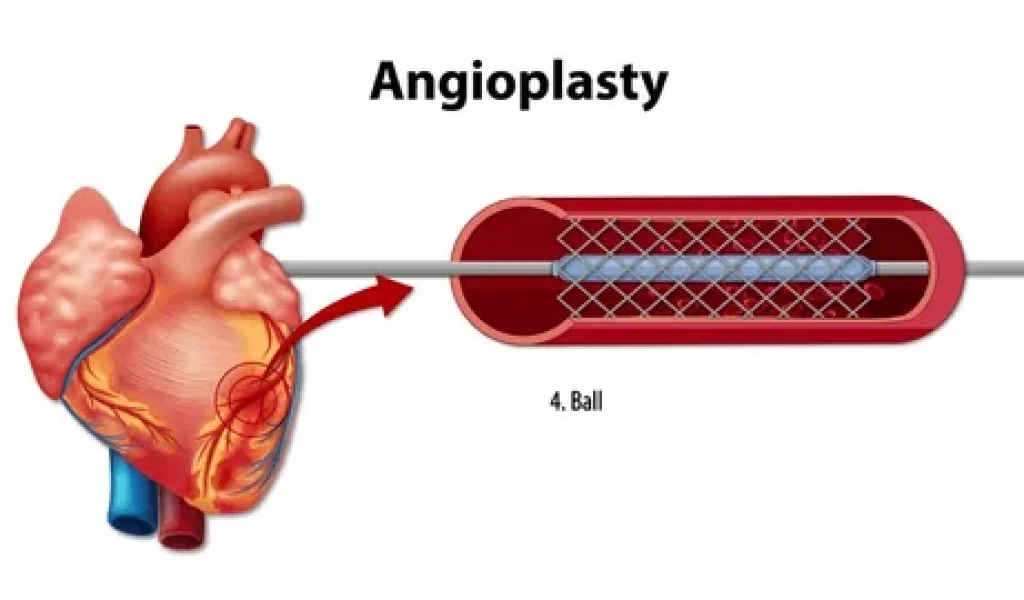
Coronary angioplasty, also known as Percutaneous Coronary Intervention (PCI), is a minimally invasive procedure used to restore normal blood flow through narrowed or blocked coronary arteries. These arteries supply oxygen-rich blood to the heart muscle, and when they become narrowed due to plaque buildup, the heart may not receive enough oxygen, leading to chest pain, shortness of breath, or even a heart attack. Coronary angioplasty helps improve circulation by opening the blocked artery, often with the placement of a stent to keep it open. The procedure provides significant relief from symptoms, improves heart function, and reduces the risk of future cardiac events when combined with appropriate lifestyle modifications and medications.
Coronary angioplasty is most commonly required when coronary artery disease causes significant narrowing or blockage of the heart’s arteries. This condition develops gradually due to the accumulation of fatty deposits, cholesterol, calcium, and other substances that form plaque within the artery walls. Several factors increase the risk of developing coronary artery disease, including high blood pressure, high cholesterol, diabetes, smoking, obesity, physical inactivity, unhealthy dietary habits, chronic stress, advancing age, and a family history of heart disease. In some cases, angioplasty is performed as an emergency treatment during a heart attack to quickly restore blood flow and minimize damage to the heart muscle.
Patients who may require coronary angioplasty often experience symptoms related to reduced blood flow to the heart. The most common symptom is chest pain or discomfort, commonly known as angina, which may occur during physical activity or emotional stress and improve with rest. Other symptoms include shortness of breath, unusual fatigue, pain radiating to the shoulder, arm, neck, jaw, or back, dizziness, nausea, sweating, and reduced exercise tolerance. In cases of complete blockage, symptoms of a heart attack such as severe chest pain, persistent discomfort, breathlessness, cold sweats, and fainting require immediate emergency medical attention.
A thorough evaluation is essential before recommending coronary angioplasty. The diagnostic process begins with a detailed medical history and physical examination, followed by tests that assess heart function and blood flow. Electrocardiography (ECG) helps detect electrical abnormalities, while echocardiography evaluates the heart’s structure and pumping ability. Stress testing may be performed to identify reduced blood flow during physical exertion. Blood investigations help assess cardiac damage and risk factors. Coronary angiography remains the gold standard for diagnosing blocked coronary arteries, providing detailed images that allow the cardiologist to determine the location and severity of the blockage and plan the most appropriate treatment.
Coronary angioplasty is performed using a thin, flexible catheter inserted through an artery in the wrist or groin and guided to the blocked coronary artery under X-ray guidance. Once positioned, a small balloon at the tip of the catheter is inflated to widen the narrowed artery. In most cases, a coronary stent is then placed to keep the artery open and reduce the risk of re-narrowing. Depending on the patient’s condition, different types of stents, including drug-eluting stents or bare-metal stents, may be recommended. The procedure is usually completed within a few hours and often allows patients to return home within one or two days. Treatment is complemented with medications to prevent blood clots, control cholesterol, regulate blood pressure, and support long-term heart health.
Recovery after coronary angioplasty is generally smooth, with most patients resuming normal daily activities within a few days, depending on their overall health and the complexity of the procedure. It is important to take prescribed medications exactly as directed, particularly antiplatelet therapy, to reduce the risk of stent blockage. Patients are encouraged to follow a heart-healthy diet, maintain regular physical activity under medical guidance, avoid smoking, manage diabetes and hypertension, and attend regular follow-up appointments. Participation in a cardiac rehabilitation program may also be recommended to improve cardiovascular fitness, promote healthy lifestyle changes, and reduce the likelihood of future heart problems.
Coronary angioplasty is considered a safe and highly effective procedure when performed by experienced specialists, but like any medical intervention, it carries certain risks. Potential complications include bleeding or bruising at the catheter insertion site, allergic reactions to contrast dye, blood clot formation, infection, irregular heart rhythms, kidney function changes, damage to the blood vessel, or re-narrowing of the treated artery over time. Rarely, more serious complications such as stroke, heart attack, or emergency bypass surgery may occur. Careful patient evaluation, advanced procedural techniques, and appropriate post-procedure care help minimize these risks and improve long-term outcomes.
You should seek medical attention if you experience persistent chest pain, unexplained shortness of breath, recurring discomfort during physical activity, dizziness, or symptoms suggestive of reduced blood flow to the heart. Individuals with known risk factors such as diabetes, hypertension, high cholesterol, or a family history of heart disease should undergo regular cardiovascular evaluations even in the absence of symptoms. Patients who have previously undergone coronary angioplasty should immediately consult their cardiologist if they develop recurrent chest pain, swelling or bleeding at the catheter insertion site, fever, or any new or worsening cardiac symptoms. Early diagnosis and timely treatment play a vital role in preventing serious complications and maintaining long-term heart health.
Dr. Sagar Chandrashekhar Bhuyar commitment to clinical excellence, innovation, and compassionate treatment helps patients achieve better heart health and improved quality of life.
From preventive cardiology and cardiac imaging to complex coronary interventions, Dr. Bhuyar provides comprehensive heart care tailored to each patient's needs. His expertise includes Angiography, Angioplasty (PCI), Pacemaker Implantation, Peripheral Interventions, Balloon Valvoplasty, and Echocardiography.
Copyright © 2026 Dr. Sagar Chandrashekhar Bhuyar. All Rights Reserved.
WhatsApp us