Senior Consultant & Interventional Cardiologist
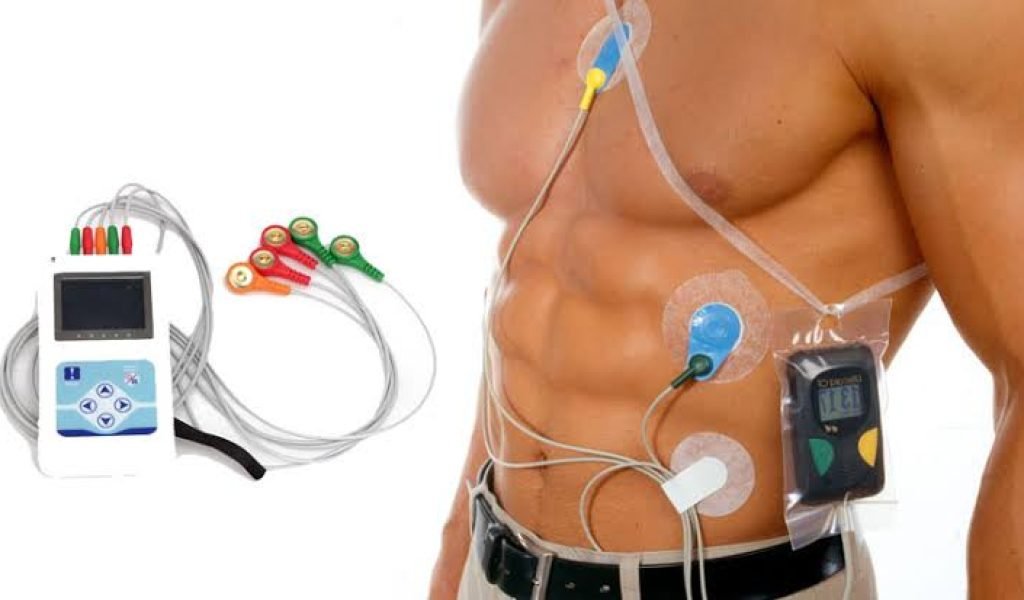
Holter Monitoring is a non-invasive diagnostic test used to continuously record the electrical activity of the heart over an extended period, typically 24 to 48 hours or longer, depending on the patient’s condition. Unlike a standard electrocardiogram (ECG), which captures heart activity for only a few seconds, Holter Monitoring provides a comprehensive assessment of heart rhythm during daily activities, sleep, exercise, and periods of stress. This extended recording helps identify irregular heart rhythms that may not be detected during a routine ECG performed in the clinic.
Dr. Sagar Chandrashekhar Bhuyar recommends Holter Monitoring for patients experiencing intermittent cardiac symptoms such as palpitations, dizziness, fainting episodes, unexplained fatigue, or chest discomfort. The test is safe, painless, and allows patients to continue most of their normal daily activities while valuable information about heart function is collected. The detailed recordings help guide accurate diagnosis and personalized treatment planning.
Holter Monitoring is commonly advised when there is suspicion of an underlying heart rhythm disorder that cannot be confirmed through a routine ECG. Various conditions may lead to abnormal heart rhythms, including coronary artery disease, previous heart attacks, high blood pressure, cardiomyopathy, heart valve disorders, congenital heart disease, electrolyte imbalances, thyroid disorders, or certain medications. Lifestyle factors such as excessive caffeine intake, smoking, alcohol consumption, emotional stress, and inadequate sleep can also contribute to temporary rhythm disturbances.
In many individuals, symptoms occur unpredictably and may not be present during a clinic visit. Holter Monitoring captures these intermittent episodes, helping determine whether symptoms are related to abnormal electrical activity of the heart.
Patients who undergo Holter Monitoring often experience symptoms that appear occasionally and disappear before medical evaluation. These may include a sensation of rapid, slow, or irregular heartbeats, fluttering in the chest, unexplained dizziness, fainting or near-fainting episodes, shortness of breath, chest discomfort, fatigue, or reduced exercise tolerance. Some individuals may have no noticeable symptoms but require monitoring due to abnormal findings on a routine ECG or because of existing heart disease.
Recording heart activity during these symptom episodes helps establish an accurate diagnosis and determine whether further treatment is required.
Holter Monitoring plays an essential role in diagnosing various cardiac rhythm abnormalities, including atrial fibrillation, atrial flutter, premature heartbeats, supraventricular tachycardia, ventricular arrhythmias, pauses in heart rhythm, and episodes of slow heart rate. Small adhesive electrodes are placed on the chest and connected to a lightweight portable recorder that continuously records the heart’s electrical signals.
Patients are usually asked to maintain a diary of their daily activities, medications, sleep, and any symptoms experienced during the monitoring period. After the device is returned, the recorded data is carefully analyzed and correlated with the patient’s symptoms, allowing the cardiologist to identify clinically significant rhythm abnormalities that may otherwise remain undetected.
The results of Holter Monitoring help determine the most appropriate treatment based on the specific heart rhythm disorder identified. Some patients may simply require reassurance if no significant abnormalities are detected. Others may benefit from lifestyle modifications, including reducing caffeine intake, quitting smoking, limiting alcohol consumption, managing stress, and improving sleep habits.
When clinically indicated, treatment may include medications to regulate heart rhythm or heart rate, blood-thinning medications for patients with certain arrhythmias, or further diagnostic investigations. In more complex cases, procedures such as catheter ablation, pacemaker implantation, or implantable cardioverter-defibrillator (ICD) placement may be recommended. Holter Monitoring also assists in evaluating how well existing medications or cardiac devices are functioning.
Following Holter Monitoring, patients can usually resume their normal activities immediately after the device is removed. If treatment has been initiated based on the findings, regular follow-up appointments are important to monitor progress and ensure optimal heart rhythm control. Patients should take prescribed medications consistently, attend scheduled cardiac evaluations, maintain a heart-healthy lifestyle, and promptly report any recurrence or worsening of symptoms.
For individuals with chronic heart rhythm disorders, periodic monitoring may be recommended to assess treatment effectiveness and detect any changes in heart function over time.
Holter Monitoring is an extremely safe diagnostic procedure with virtually no significant risks. Since it only records the heart’s electrical activity and does not deliver electrical impulses, the test is completely painless and non-invasive. Some patients may experience mild skin irritation or redness where the electrodes are attached, but this typically resolves shortly after the monitoring period.
The primary limitation of Holter Monitoring is that if symptoms do not occur during the recording period, additional or longer-term cardiac monitoring may be necessary. Nevertheless, it remains one of the most reliable methods for evaluating intermittent heart rhythm abnormalities.
Medical evaluation is recommended if you experience frequent palpitations, episodes of dizziness, unexplained fainting, irregular heartbeat, chest discomfort, persistent fatigue, or shortness of breath. Individuals with a history of heart disease, previous stroke, high blood pressure, or a family history of cardiac rhythm disorders should also seek timely cardiac assessment if new symptoms develop.
Early diagnosis through Holter Monitoring can help detect potentially serious rhythm abnormalities before complications occur. Consulting an experienced cardiologist at the earliest opportunity ensures accurate diagnosis, timely treatment, and better long-term heart health.
Dr. Sagar Chandrashekhar Bhuyar commitment to clinical excellence, innovation, and compassionate treatment helps patients achieve better heart health and improved quality of life.
From preventive cardiology and cardiac imaging to complex coronary interventions, Dr. Bhuyar provides comprehensive heart care tailored to each patient's needs. His expertise includes Angiography, Angioplasty (PCI), Pacemaker Implantation, Peripheral Interventions, Balloon Valvoplasty, and Echocardiography.
Copyright © 2026 Dr. Sagar Chandrashekhar Bhuyar. All Rights Reserved.
WhatsApp us