Senior Consultant & Interventional Cardiologist
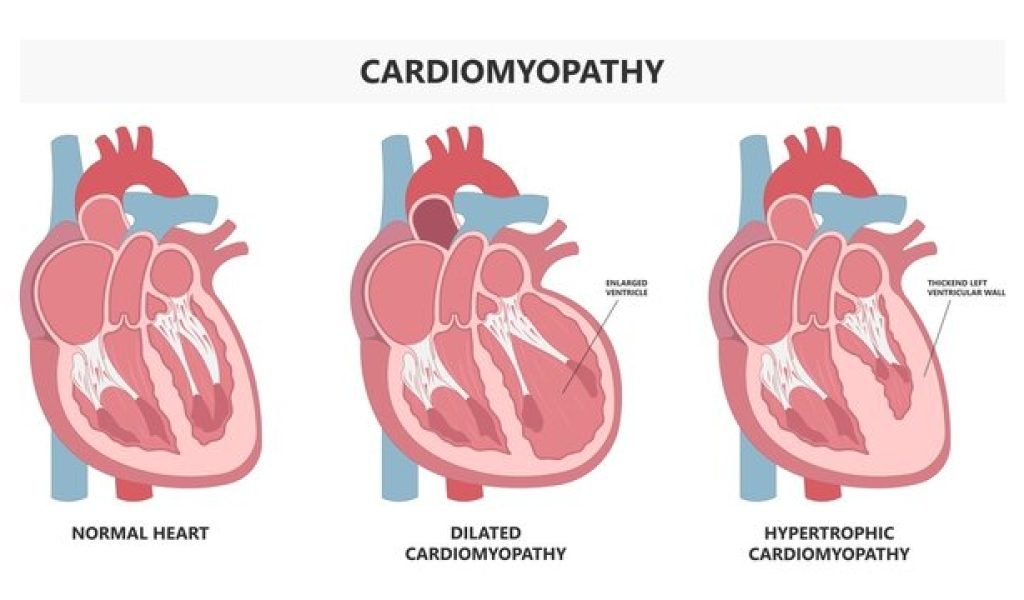
Cardiomyopathy is a disease of the heart muscle that affects its ability to pump blood efficiently throughout the body. As the heart muscle becomes enlarged, thickened, stiff, or weakened, its pumping function gradually declines, increasing the risk of heart failure, abnormal heart rhythms, and other cardiovascular complications. Cardiomyopathy may develop slowly over time or progress more rapidly depending on the underlying cause. While some individuals may experience few or no symptoms in the early stages, others may develop significant limitations in their daily activities due to reduced heart function. Early diagnosis and appropriate treatment play a vital role in slowing disease progression, improving heart performance, and enhancing overall quality of life.
Cardiomyopathy can occur due to a wide range of genetic and acquired factors. Some people inherit the condition through family history, while others develop it because of long-standing high blood pressure, coronary artery disease, previous heart attacks, viral infections affecting the heart muscle, diabetes, thyroid disorders, or excessive alcohol consumption. Certain chemotherapy medications, autoimmune diseases, nutritional deficiencies, and prolonged uncontrolled arrhythmias may also contribute to the development of cardiomyopathy. In some cases, the exact cause cannot be identified, and the condition is classified as idiopathic cardiomyopathy.
The symptoms of cardiomyopathy vary depending on the severity and type of the disease. Many patients experience shortness of breath during physical activity or even at rest as the condition progresses. Persistent fatigue, swelling of the legs, ankles, or feet, chest discomfort, rapid or irregular heartbeat, dizziness, and episodes of fainting are also common. Some individuals may notice reduced exercise tolerance or difficulty performing routine activities that were previously manageable. Since these symptoms may resemble those of other heart conditions, timely medical evaluation is essential for an accurate diagnosis.
Diagnosing cardiomyopathy involves a comprehensive assessment of the patient’s symptoms, medical history, family history, and cardiovascular health. A detailed physical examination is followed by specialized investigations such as an electrocardiogram (ECG), echocardiography, chest X-ray, blood tests, Holter monitoring, stress testing, cardiac MRI, or CT imaging when indicated. In selected cases, coronary angiography or cardiac catheterization may be performed to evaluate the coronary arteries and measure heart function. Genetic testing may also be recommended for patients with a strong family history of cardiomyopathy. Accurate diagnosis helps determine the specific type and severity of the disease, allowing for personalized treatment planning.
The treatment of cardiomyopathy focuses on improving heart function, relieving symptoms, preventing complications, and slowing disease progression. Medications are commonly prescribed to reduce the workload on the heart, control blood pressure, manage abnormal heart rhythms, and prevent blood clot formation. Lifestyle modifications, including a heart-healthy diet, regular physical activity under medical supervision, smoking cessation, and limiting alcohol intake, form an important part of long-term management.
For patients with advanced disease or significant rhythm disturbances, specialized interventional and device-based therapies may be recommended. These may include implantable cardioverter-defibrillators (ICDs), cardiac resynchronization therapy (CRT), pacemakers, or catheter-based procedures to treat associated arrhythmias. When cardiomyopathy is caused by blocked coronary arteries, coronary angioplasty and stenting may improve blood supply to the heart muscle. In severe cases where heart function continues to deteriorate despite optimal treatment, advanced heart failure therapies or heart transplantation may be considered.
Long-term follow-up is essential for individuals living with cardiomyopathy. Regular cardiology consultations help monitor heart function, adjust medications, and identify any changes in the condition at an early stage. Patients are encouraged to take medications exactly as prescribed, maintain a healthy body weight, limit salt intake, monitor blood pressure, and engage in physician-approved physical activity. Managing associated conditions such as diabetes, hypertension, and high cholesterol is equally important in protecting heart health. Ongoing lifestyle modifications and adherence to medical advice significantly improve long-term outcomes and reduce the likelihood of complications.
If left untreated, cardiomyopathy can lead to serious health problems. Progressive heart failure is one of the most common complications, resulting in reduced pumping efficiency and fluid accumulation in the lungs and body. Patients may also develop life-threatening arrhythmias, blood clots that increase the risk of stroke, heart valve dysfunction, or sudden cardiac arrest in severe cases. Early diagnosis, continuous monitoring, and timely intervention greatly reduce these risks and improve both survival and quality of life.
Medical attention should be sought if you experience persistent shortness of breath, unexplained fatigue, swelling in the legs or abdomen, chest pain, frequent palpitations, dizziness, or episodes of fainting. Individuals with a family history of cardiomyopathy or sudden cardiac death should undergo preventive cardiac evaluation even in the absence of symptoms. Early consultation with an experienced interventional cardiologist allows for timely diagnosis, personalized treatment, and effective long-term management, helping patients maintain better heart health and prevent serious complications.
Dr. Sagar Chandrashekhar Bhuyar commitment to clinical excellence, innovation, and compassionate treatment helps patients achieve better heart health and improved quality of life.
From preventive cardiology and cardiac imaging to complex coronary interventions, Dr. Bhuyar provides comprehensive heart care tailored to each patient's needs. His expertise includes Angiography, Angioplasty (PCI), Pacemaker Implantation, Peripheral Interventions, Balloon Valvoplasty, and Echocardiography.
Copyright © 2026 Dr. Sagar Chandrashekhar Bhuyar. All Rights Reserved.
WhatsApp us