Senior Consultant & Interventional Cardiologist
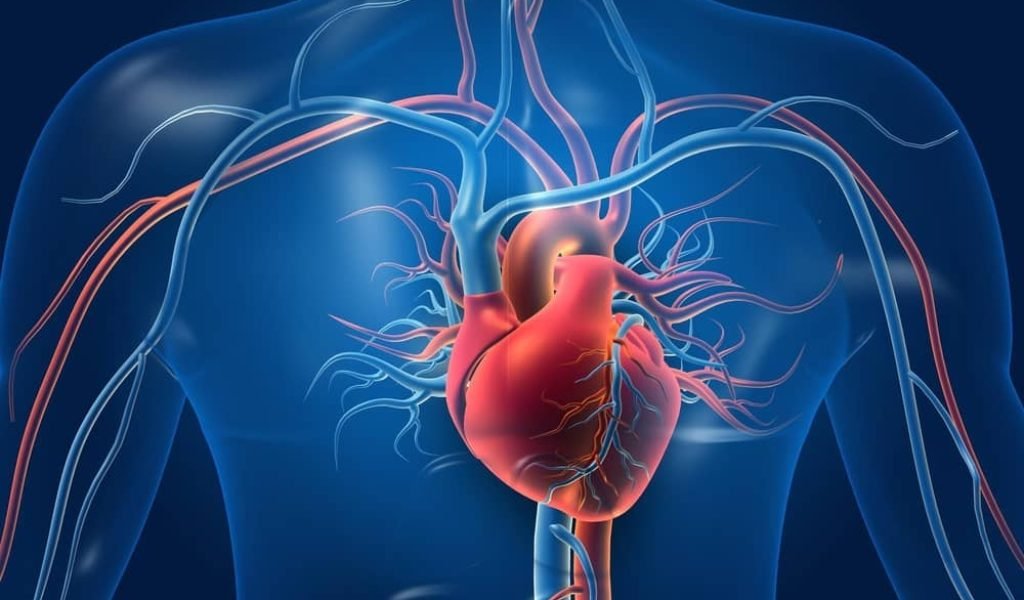
Acute Coronary Syndrome (ACS) is a medical emergency that occurs when the blood supply to the heart muscle is suddenly reduced or completely blocked. It is an umbrella term that includes conditions such as unstable angina and heart attacks (myocardial infarction). ACS develops when the coronary arteries, which supply oxygen-rich blood to the heart, become narrowed or blocked due to the rupture of a cholesterol plaque and the formation of a blood clot. Prompt diagnosis and immediate treatment are essential to restore blood flow, minimize heart muscle damage, and improve survival outcomes.
As an experienced Interventional Cardiologist, Dr. Sagar Chandrashekhar Bhuyar provides advanced evaluation and evidence-based treatment for patients presenting with symptoms of Acute Coronary Syndrome. Early intervention can significantly reduce complications and help patients return to a healthier and more active life.
The most common cause of Acute Coronary Syndrome is coronary artery disease, a condition in which fatty deposits known as plaques accumulate within the walls of the coronary arteries. Over time, these plaques can become unstable and rupture, triggering the formation of a blood clot that partially or completely blocks blood flow to the heart muscle.
Several factors increase the risk of developing ACS, including high blood pressure, elevated cholesterol levels, diabetes, smoking, obesity, physical inactivity, chronic stress, and a family history of heart disease. Advancing age and certain lifestyle habits can also contribute to the progression of coronary artery disease and increase the likelihood of a cardiac event.
The symptoms of Acute Coronary Syndrome can vary in severity but often develop suddenly. The most common symptom is chest pain or discomfort, typically described as pressure, tightness, heaviness, or a squeezing sensation in the center of the chest. This discomfort may spread to the shoulders, arms, neck, jaw, or back.
Many patients also experience shortness of breath, excessive sweating, nausea, dizziness, fatigue, or palpitations. In some individuals, particularly women, elderly patients, and those with diabetes, symptoms may be less typical and may present primarily as breathlessness, unusual fatigue, or upper abdominal discomfort. Any sudden or unexplained chest discomfort should be considered a medical emergency and evaluated immediately.
Accurate and rapid diagnosis is crucial in Acute Coronary Syndrome to determine the extent of heart involvement and initiate timely treatment. The evaluation typically begins with a detailed assessment of symptoms, medical history, and physical examination.
Diagnostic investigations commonly include an electrocardiogram (ECG) to detect changes in the heart’s electrical activity, blood tests to identify cardiac biomarkers that indicate heart muscle injury, and advanced cardiac imaging when necessary. Additional tests such as echocardiography, stress testing, or coronary angiography may be recommended to evaluate coronary artery blockages and guide treatment planning. Coronary angiography remains one of the most important diagnostic and therapeutic tools in interventional cardiology for patients with ACS.
The treatment of Acute Coronary Syndrome focuses on restoring blood flow to the heart as quickly as possible and preventing further damage. Initial treatment often involves medications that help dissolve or prevent blood clots, reduce the workload on the heart, control blood pressure, and improve oxygen delivery to the heart muscle.
For many patients, interventional procedures play a critical role in treatment. Coronary angiography allows visualization of blocked arteries, and Percutaneous Coronary Intervention (PCI), commonly known as angioplasty with stent placement, can rapidly restore blood flow. In cases involving multiple severe blockages or complex coronary artery disease, coronary artery bypass graft surgery (CABG) may be recommended. The treatment plan is individualized based on the patient’s condition, overall health, and severity of arterial blockage.
Recovery after treatment for Acute Coronary Syndrome requires a comprehensive approach aimed at protecting heart health and preventing future cardiac events. Patients are typically advised to continue prescribed medications, attend regular follow-up appointments, and participate in cardiac rehabilitation programs when appropriate.
Lifestyle modifications are equally important and may include adopting a heart-healthy diet, engaging in regular physical activity, maintaining a healthy weight, controlling blood sugar and cholesterol levels, and completely avoiding tobacco use. Long-term adherence to medical advice and preventive strategies significantly improves cardiovascular health and reduces the risk of recurrent heart problems.
If not treated promptly, Acute Coronary Syndrome can lead to serious and potentially life-threatening complications. These may include permanent heart muscle damage, heart failure, dangerous heart rhythm abnormalities, cardiogenic shock, or sudden cardiac death. Even after successful treatment, patients remain at increased risk for future cardiac events if underlying risk factors are not adequately controlled.
Regular monitoring, medication compliance, and healthy lifestyle choices are essential to minimizing complications and maintaining optimal heart function over the long term.
Immediate medical attention is necessary if you experience chest pain, chest pressure, shortness of breath, unexplained sweating, dizziness, or discomfort radiating to the arm, jaw, neck, or back. Delaying treatment during an episode of Acute Coronary Syndrome can result in irreversible heart damage and significantly increase the risk of complications.
Patients with known risk factors such as hypertension, diabetes, high cholesterol, smoking history, or previous heart disease should undergo regular cardiac evaluations. Early detection and timely intervention by an experienced Interventional Cardiologist can help prevent major cardiac events and ensure the best possible outcomes.
Dr. Sagar Chandrashekhar Bhuyar commitment to clinical excellence, innovation, and compassionate treatment helps patients achieve better heart health and improved quality of life.
From preventive cardiology and cardiac imaging to complex coronary interventions, Dr. Bhuyar provides comprehensive heart care tailored to each patient's needs. His expertise includes Angiography, Angioplasty (PCI), Pacemaker Implantation, Peripheral Interventions, Balloon Valvoplasty, and Echocardiography.
Copyright © 2026 Dr. Sagar Chandrashekhar Bhuyar. All Rights Reserved.
WhatsApp us